Rodent Awareness Week: Rodent Red Flags & What To Do
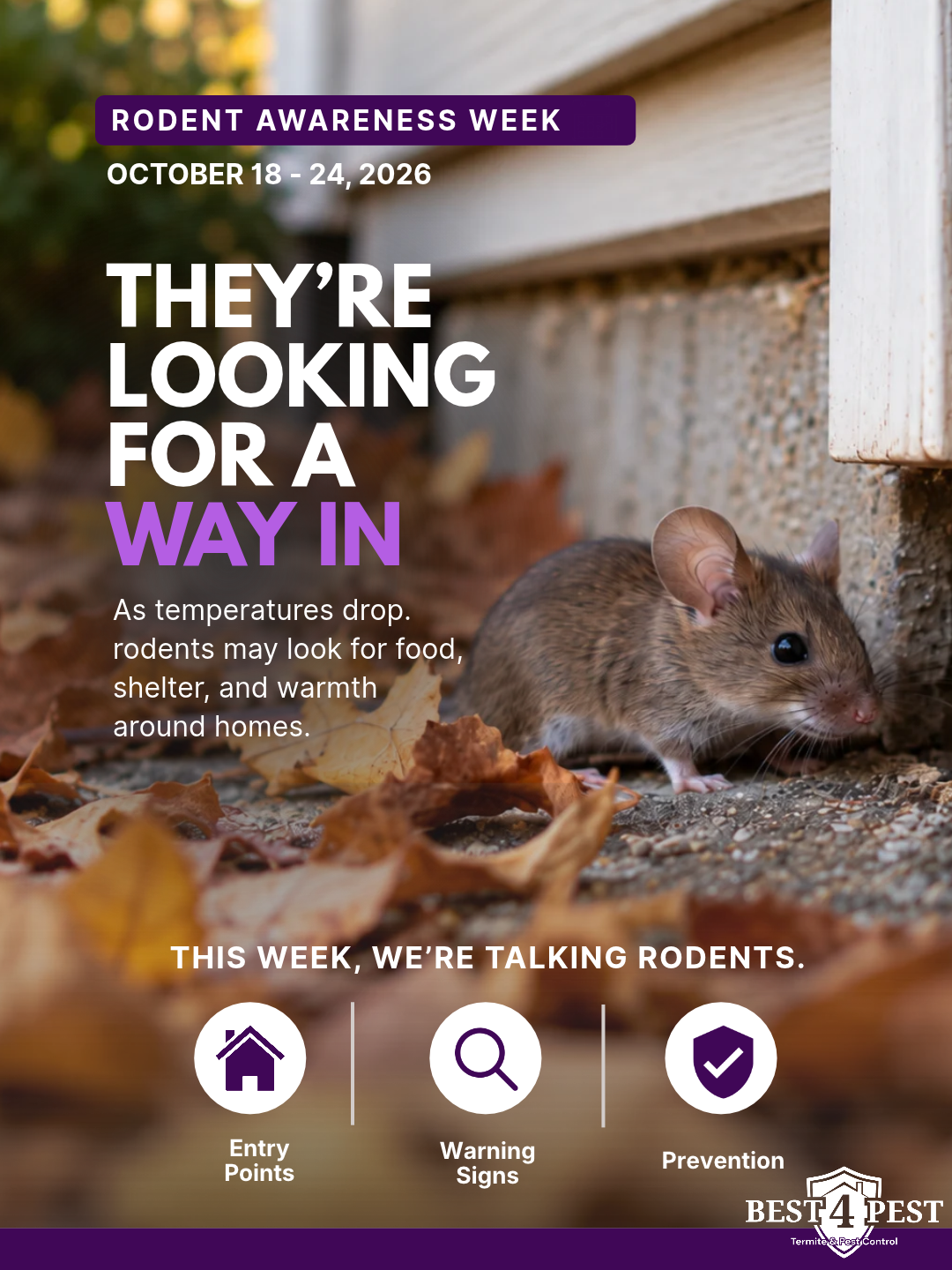
The crisp autumn air has settled in for good and we are all seeking the warmth of our homes or even a cozy fire. Autumn has signaled that the colder, harsher weather of winter is yet to come. Rodents, while unable to read a calendar, also know that winter is just around the corner by these environmental changes. That means they, too, are beginning to plan for the harshness of a North Texas winter. That is why this time of year, specifically the third week (or so) of October, that we observe Rodent Awareness Week. Unlike many pests that have an active season and a dormant season, rats and mice are active all year long. However, there is usually an uptick in rodent infestations as temperatures cool every fall and winter. It is this time of year that nature has signaled to these rodents that they need to find shelter to survive the winter. The cold temperatures and varying degrees of precipitation require that these pests find not only shelter but access to food and water, too. Your home may make a perfect location! Red Flags Many homeowners don't quite know what to look for in regard to signs that they may have a growing rodent problem inside their home or around their property. Here are a few red flags to be aware of.
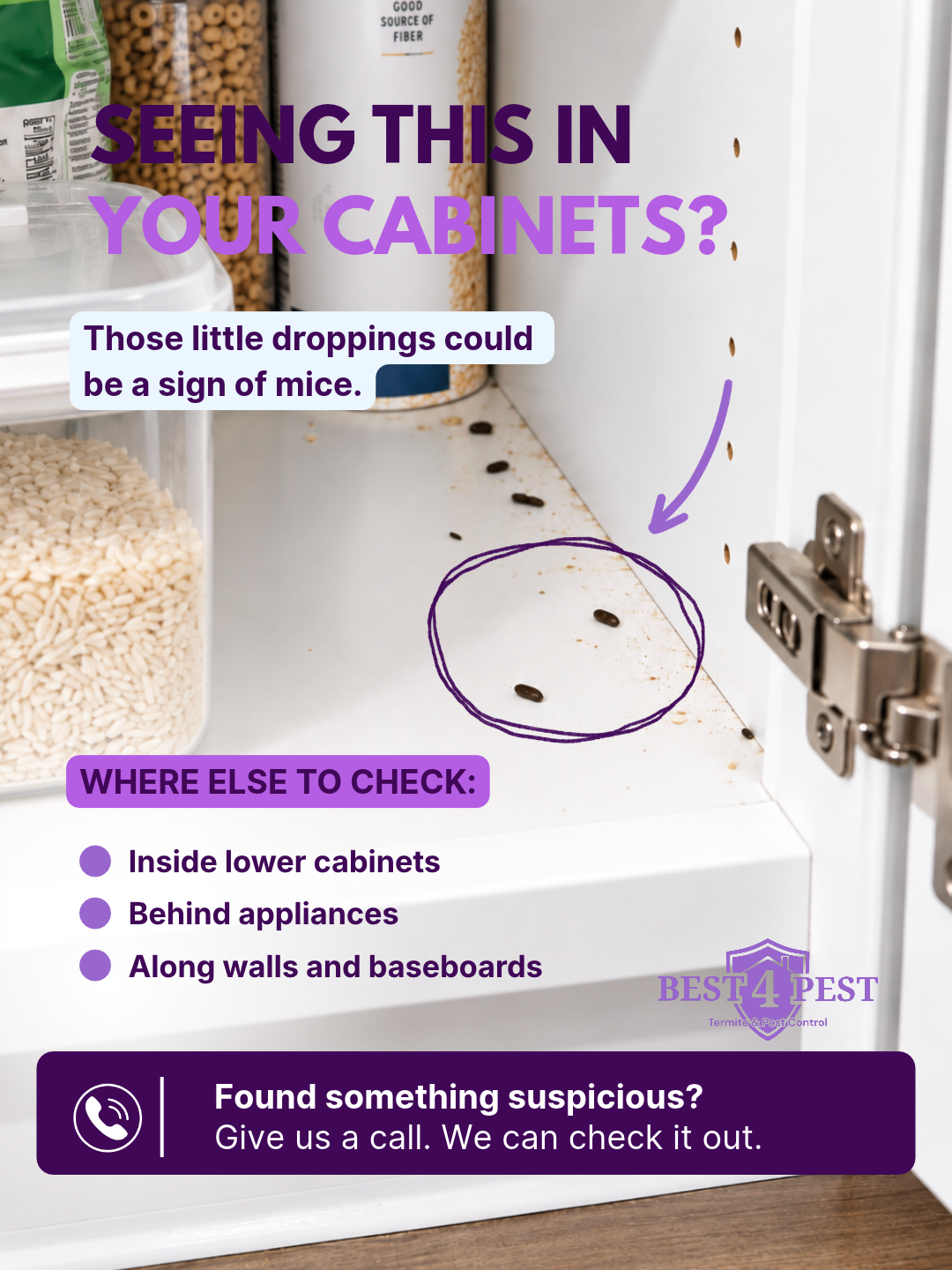
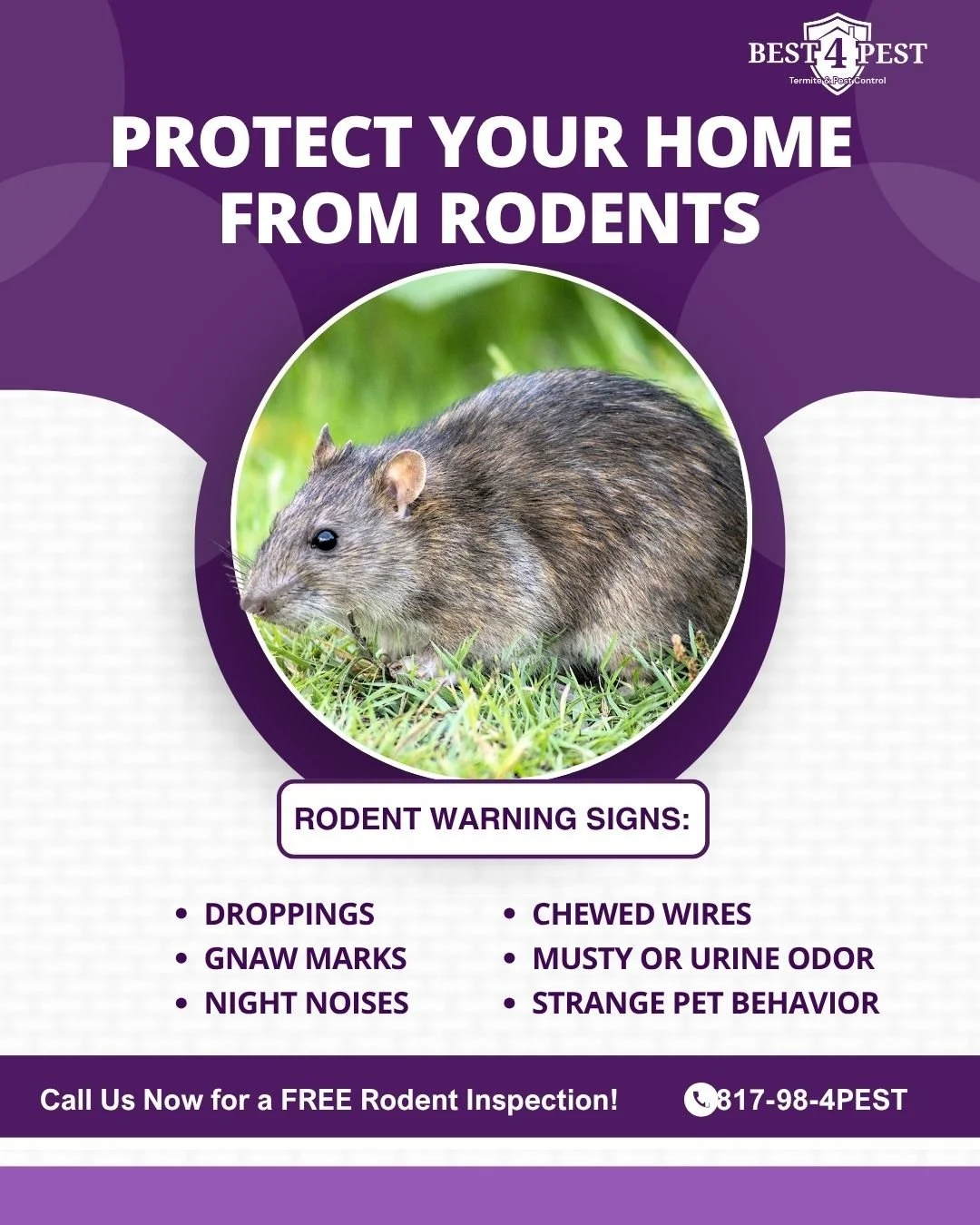
Droppings - Mice and Rats leave droppings wherever they are inhabiting. Mouse droppings are small, less than one quarter inch, and pointed on both ends. Rat droppings are half an inch or longer.
Odor - Mice and rats also need to urinate and can leave a musty smelling, pungent odor after urinating the same spots time after time.
Rub Marks and Runways - Mice and rats leave oily rub marks along their common walkways. Common rodent pathways or runways are generally along interior walls, building foundations, ledges, pipes, electrical wires, conduits, tree branches and fence rails.
Gnawing Indications - Do you see insulations, storage containers, or other clutter in your garage, attic, or basement that appears to have been gnawed? This is a sure sign that you have some pests. You may also notice shredded paper, string, and other items that these rodent have made into nests for their young.
Noises - Many homeowners notice noises especially at night of scratching or scurrying. This may also be an indicator as these creatures are nocturnal.
Unusual Pet Behavior - If your dog or cat seems to be barking or pacing around walls, outlets, or other areas, they may be trying to tell you that there are mice or rats in your home.
Prevention There is no 100% sure fire way to stop these creatures from entering your home but here are a few ideas to help you prevent an infestation. Best4Pest is skilled in this area and is ready to help you seal up your home.
Clean Up - Keep clutter to a minimum in the less frequented areas of your home such as: the attic, garage, or basement. The fewer places there are to hide, the better.
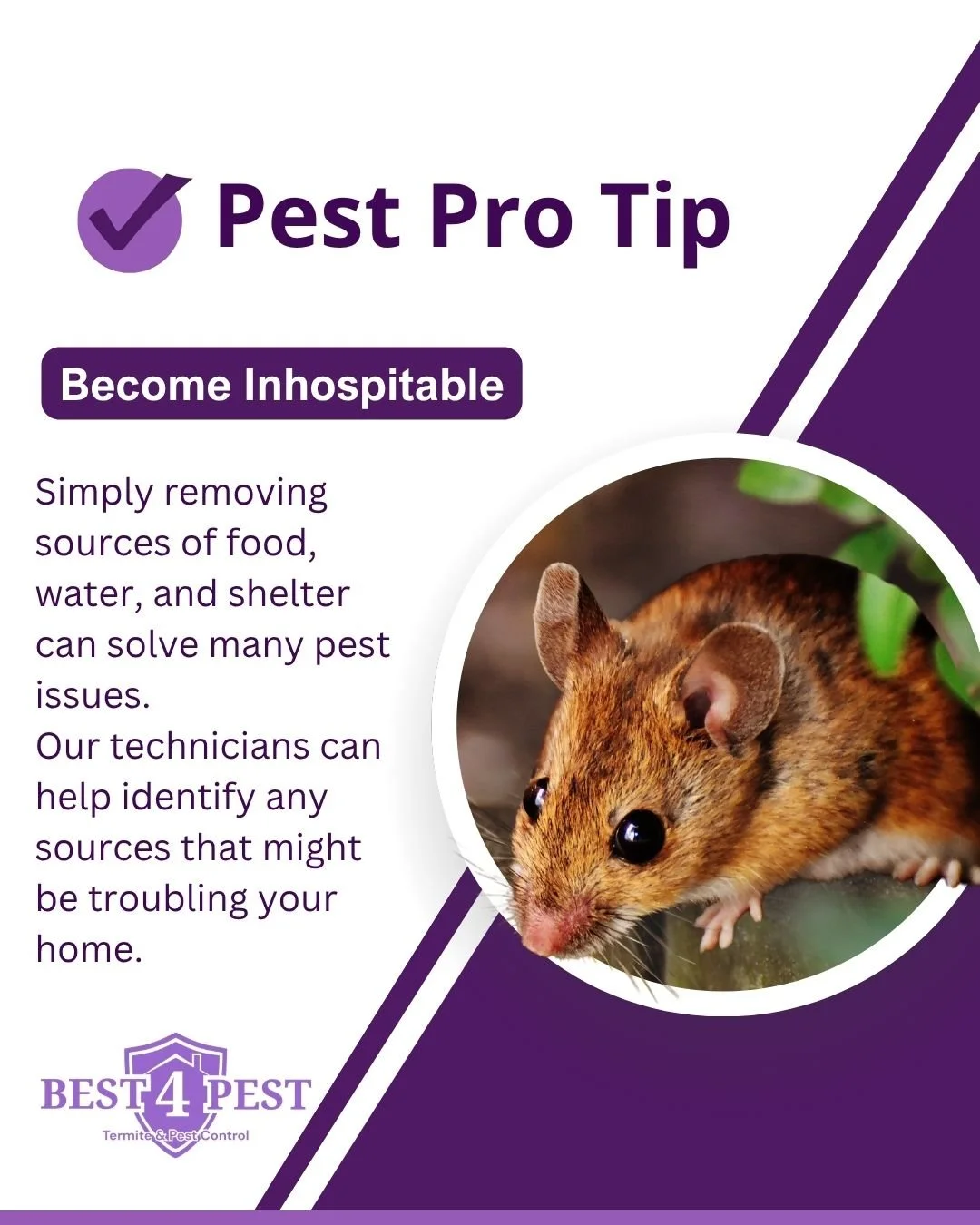
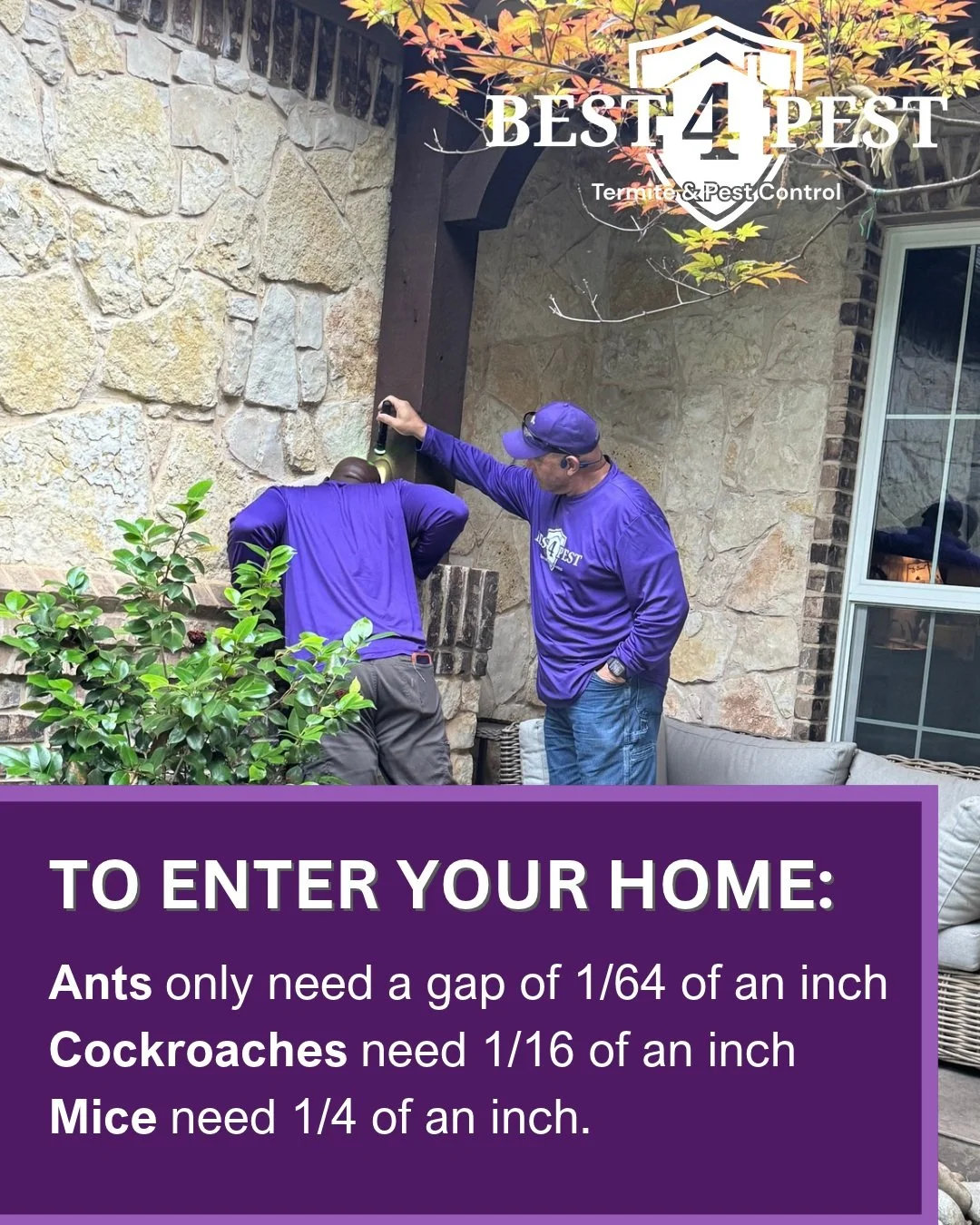
Seal up openings that lead into your home. Mice can fit into a space the size of a dime! Inspect under doors, around windows and especially near utility vents.
Replace broken windows.
Avoid using mulch adjacent to the foundation.
Keep bushes and trees trimmed back from your home.
Do not store firewood within the immediate vicinity of the house.
Prevention also means taking action as soon as you suspect a problem. Our Best4Pest experts can determine the extent of the problem and create a plan of attack. Call Best4Pest at 817-98-4PEST.

Fall Pest Tips for DFW
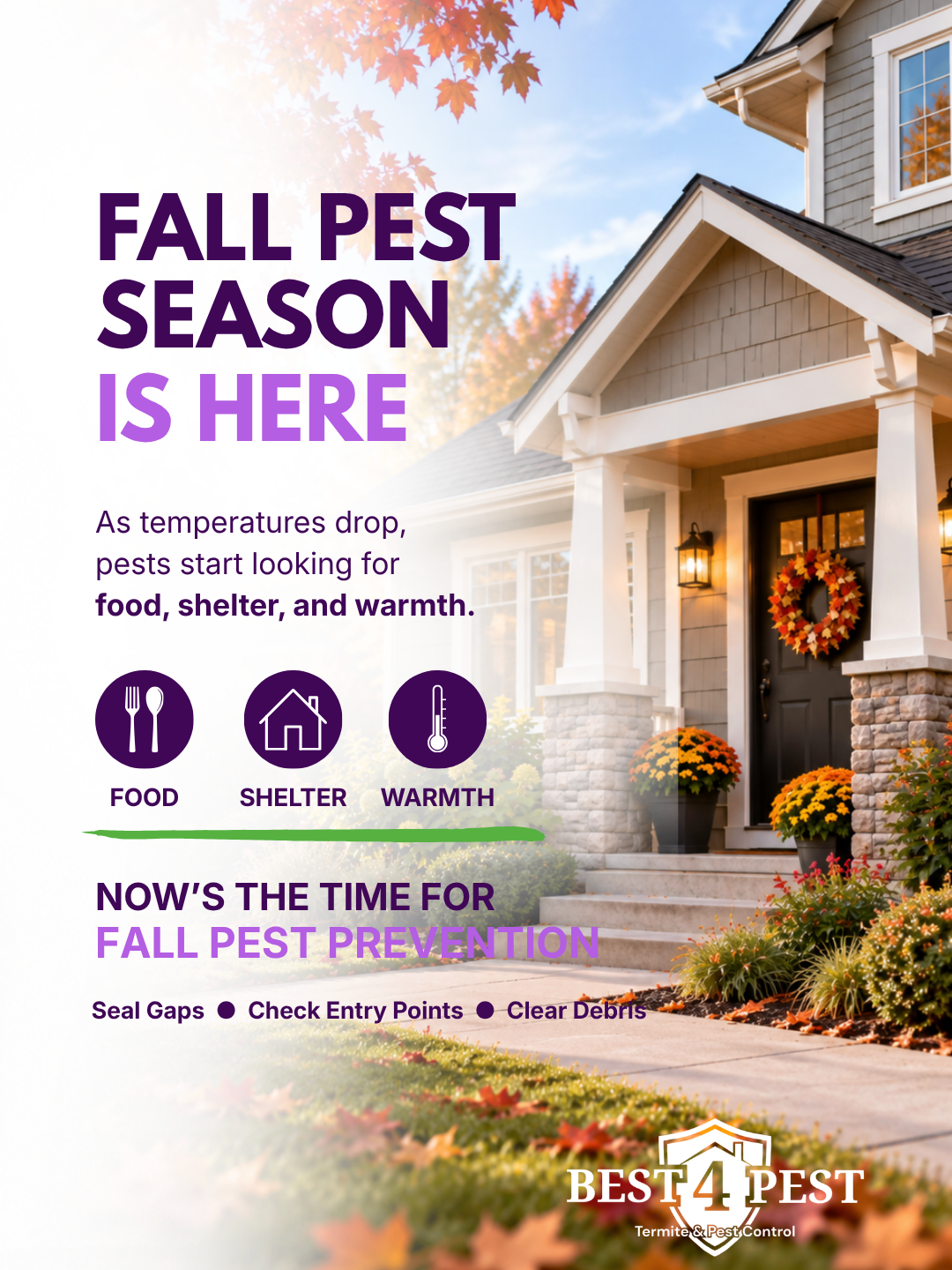
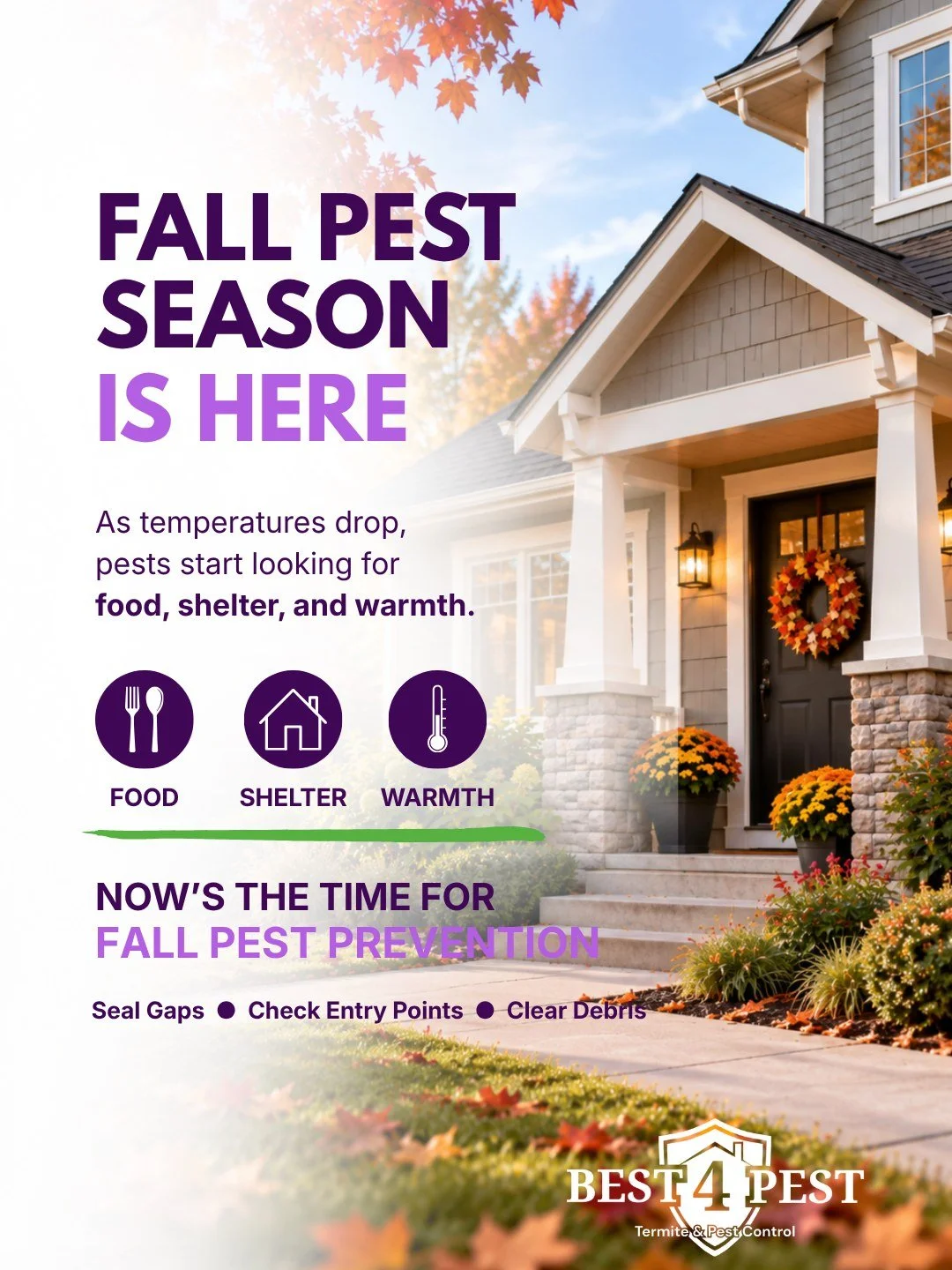
If you’re like us, you are super excited about this colder weather! We may not be ready to roast chestnuts on an open fire, but anything below 70 feels like a dream right now! When the days are comfortable, that often means that the evenings are downright chilly! Just like we want to cozy up inside, many pests are looking for a way in to find warmth, shelter and reliable food sources. Here are some tips to keep your home yours as the weather cools!
Understanding which pests are most active in the fall and why they're trying to get inside your home is the first step in protecting your property and maintaining your peace of mind. At Best4Pest, we're here to help you navigate these seasonal changes. We offer practical advice and effective solutions to keep your home comfortable and safe throughout the fall and beyond.
If you're noticing increased pest activity as temperatures drop, take proactive steps now. Visit our page on residential pest control to learn how Best4Pest can help secure your home.
Why Fall Brings Pests Indoors: The Great Migration
Fall is critical for many pests as their natural outdoor habitats become less hospitable. The lush vegetation that provided ample food and cover throughout the summer begins to die back, and the dropping temperatures make outdoor living less viable. This forces a predictable "migration" toward warmer, more protected environments – and your home often fits the bill perfectly. They're not just looking for warmth; they're also seeking consistent food sources, moisture, and safe places to overwinter or breed.
Cracks in foundations, gaps around windows and doors, uncapped chimneys, and even tiny openings can become welcoming entry points for various unwanted visitors. Understanding this fundamental drive is key to anticipating their movements and fortifying your home against their attempts to move in.
Common Fall Invaders in North Texas Homes
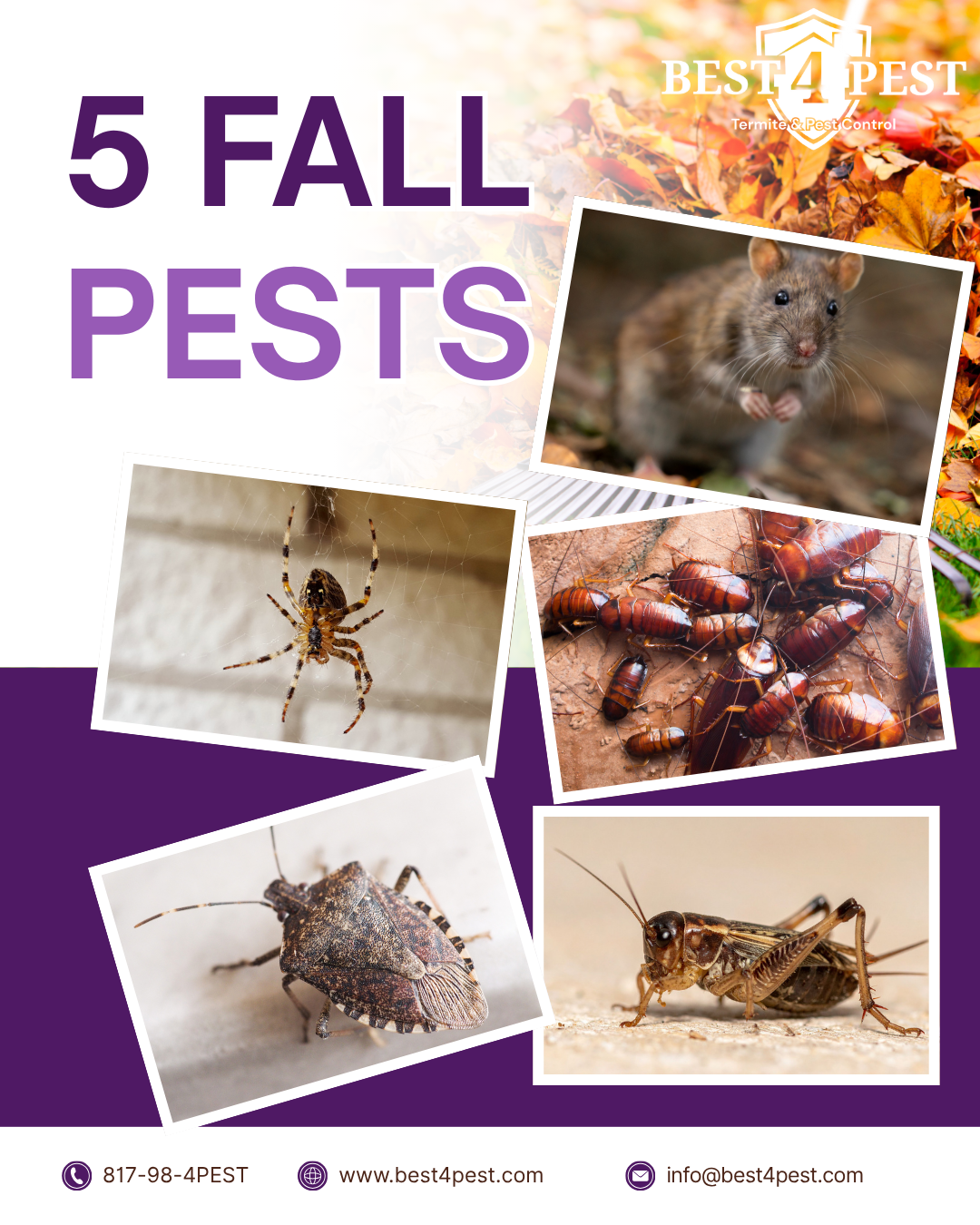
North Texas has its own unique cast of characters when it comes to fall pests. While some may be a nuisance, others can pose more significant threats to your property or even your health. Knowing who to look out for can help you identify potential problems early.
Here are some of the most common pests homeowners in Fort Worth, North Richland Hills, Grapevine, Southlake, Hurst, Euless, Bedford, Dallas, Coppell, Carrollton, Lewisville and surrounding areas might encounter as the temperature drops:
Rodents (Mice and Rats): Common fall invaders seeking warmth and food. They can squeeze through small gaps, damage wiring and insulation, and contaminate surfaces.
Spiders: Some species, including brown recluses, enter homes for shelter or egg-laying. Most are harmless but can be a concern if disturbed.
Boxelder Bugs: Black and red insects that gather on sunny walls and enter homes. They’re harmless but leave stains and odors when crushed.
Stink Bugs: Shield-shaped pests that move indoors in fall and emit a strong odor when threatened.
Lady Bugs (Asian Lady Beetles): Often mistaken for native ladybugs. They bite mildly, stain surfaces, and release an unpleasant smell.
Cockroaches: Move indoors as temps drop, spreading bacteria and allergens.
Ants: Some remain active indoors in fall, especially if food is scarce outside.
Termites: Active year-round. Even in colder months, they may continue damaging wooden structures unnoticed.
Understanding which pests are trying to get into your home is the first step in effective fall pest management. These pests have unique behaviors and vulnerabilities, making targeted prevention and control methods essential.
Proactive Steps for Fall Pest Prevention
The best offense is a good defense, especially when it comes to fall pests. Taking proactive measures before temperatures drop significantly can save you a lot of headaches and potential damage later. Many of these steps are simple home maintenance tasks that also contribute to overall home health and energy efficiency.
Here are key preventive actions homeowners in DFW should consider:
Seal Entry Points: This is arguably the most important step. Inspect your home's exterior thoroughly for any cracks, gaps, or openings. Pay close attention to:
Cracks in the foundation and around utility lines.
Gaps around windows and doors; apply weather stripping or caulk as needed.
Damaged screens on windows and doors.
Unsealed attic vents or crawl space openings.
Missing or damaged chimney caps.
Trim Vegetation: Keep tree branches and shrubs trimmed away from your home's exterior. This creates a "buffer zone" that prevents pests from easily accessing your roof or siding. Vines growing on your walls can also provide ideal pathways for pests.
Clean Gutters and Downspouts: Clogged gutters can lead to moisture buildup, which attracts pests. Ensure they are clear and draining properly to direct water away from your foundation.
Store Firewood Away from the House: Firewood is a common harborage for a variety of pests, including spiders, rodents, and even termites. Store it at least 20 feet from your home and elevate it off the ground.
Manage Moisture: Fix any leaky pipes, faucets, or drainage issues both inside and outside your home. Pests are drawn to moisture sources, and damp environments can create ideal breeding grounds. Ensure proper ventilation in basements, crawl spaces, and attics.
Regular Cleaning and Decluttering: Inside your home, consistent cleaning, vacuuming, and decluttering can remove food sources, harborage areas, and even existing pests. Pay attention to crumbs, spills, and areas where clutter can accumulate.
Inspect Deliveries and Packages: Pests can hitchhike into your home on groceries, packages, or even used furniture. Inspect items carefully before bringing them indoors.
Mind Your Landscaping: Remove leaf litter, decaying wood, and other organic debris from around your foundation. These provide excellent hiding spots for pests seeking shelter.
Implementing these preventive measures can significantly reduce the likelihood of a fall pest invasion. While some pests may still find their way in, these steps make your home much less appealing and accessible, giving you a strong advantage.
When to Call in the Professionals
Despite your best efforts, pests can sometimes be persistent. If you've taken all the necessary precautions and are still experiencing significant pest activity, or if you're dealing with a particularly challenging pest like rodents or termites, it's time to call in Best4Pest. Professional pest control offers several advantages:
Expert Identification: Best4Pest technicians are trained to accurately identify pests and understand their behavior, which is crucial for effective treatment.
Targeted Solutions: We use industry-approved products and techniques that are specifically designed to address your particular pest problem, minimizing impact on your family and pets.
Thorough Inspection: A professional inspection can identify hidden entry points or harborage areas you might have missed.
Long-Term Prevention: Beyond immediate treatment, we can help implement long-term strategies to reduce future pest issues.
Peace of Mind: Knowing that experienced professionals are handling your pest concerns provides reassurance and allows you to focus on enjoying your home.
Don't let fall pests disrupt your comfort or damage your North Texas home. Whether you're in Fort Worth, North Richland Hills, Grapevine, Southlake, Hurst, Euless, Bedford, Dallas, Coppell, Carrollton, Lewisville, or a surrounding area, Best4Pest is ready to help. Our approachable and helpful team is committed to providing effective, reassuring solutions.
Reach out to us today to schedule an inspection or to learn more about how we can help protect your home this fall. Give us a call at (817)-98-4PEST
Rodent Control Pest Control Ant Control Termite Control Cockroach Control

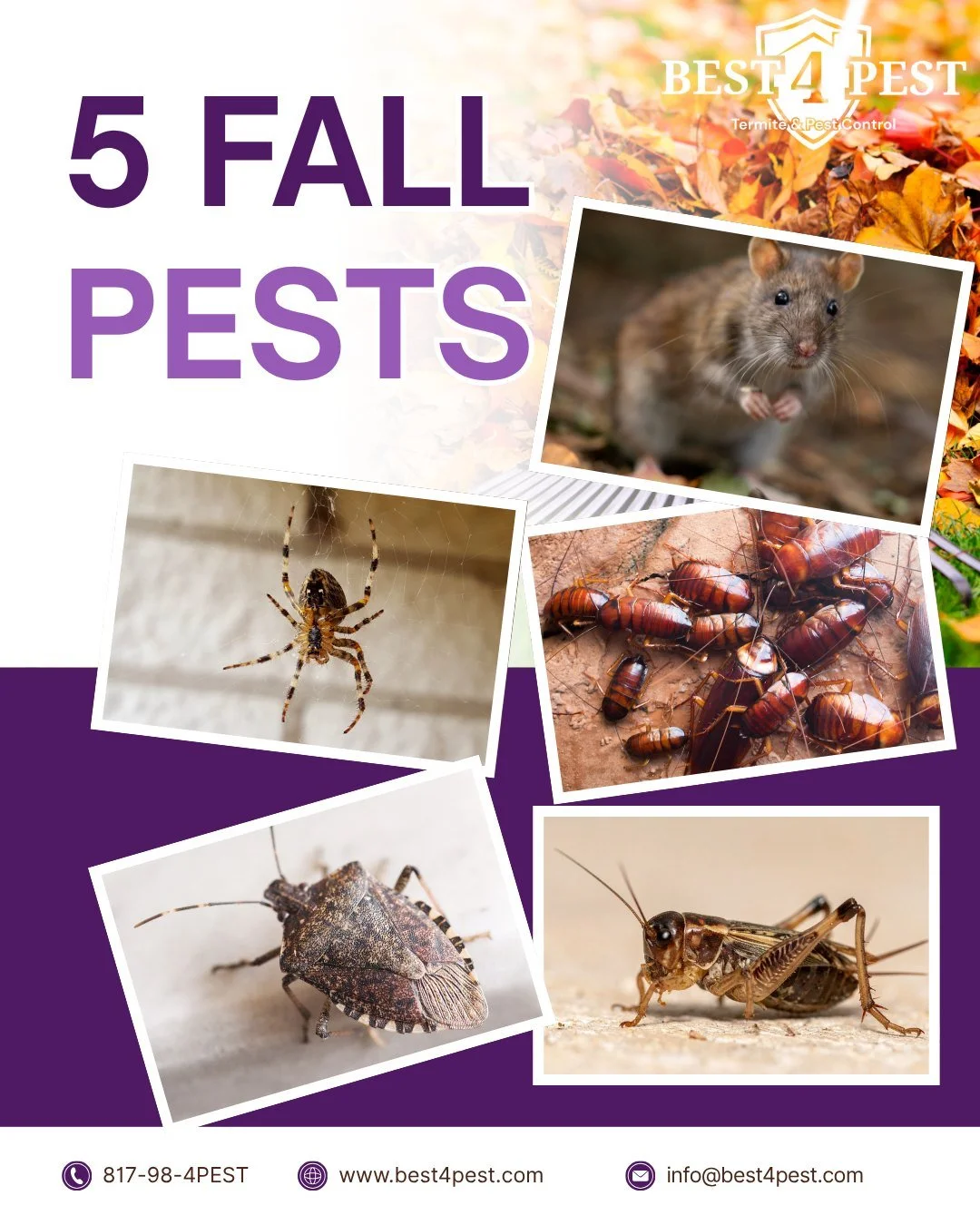
5 Fall Pests to Keep an Eye Out For…
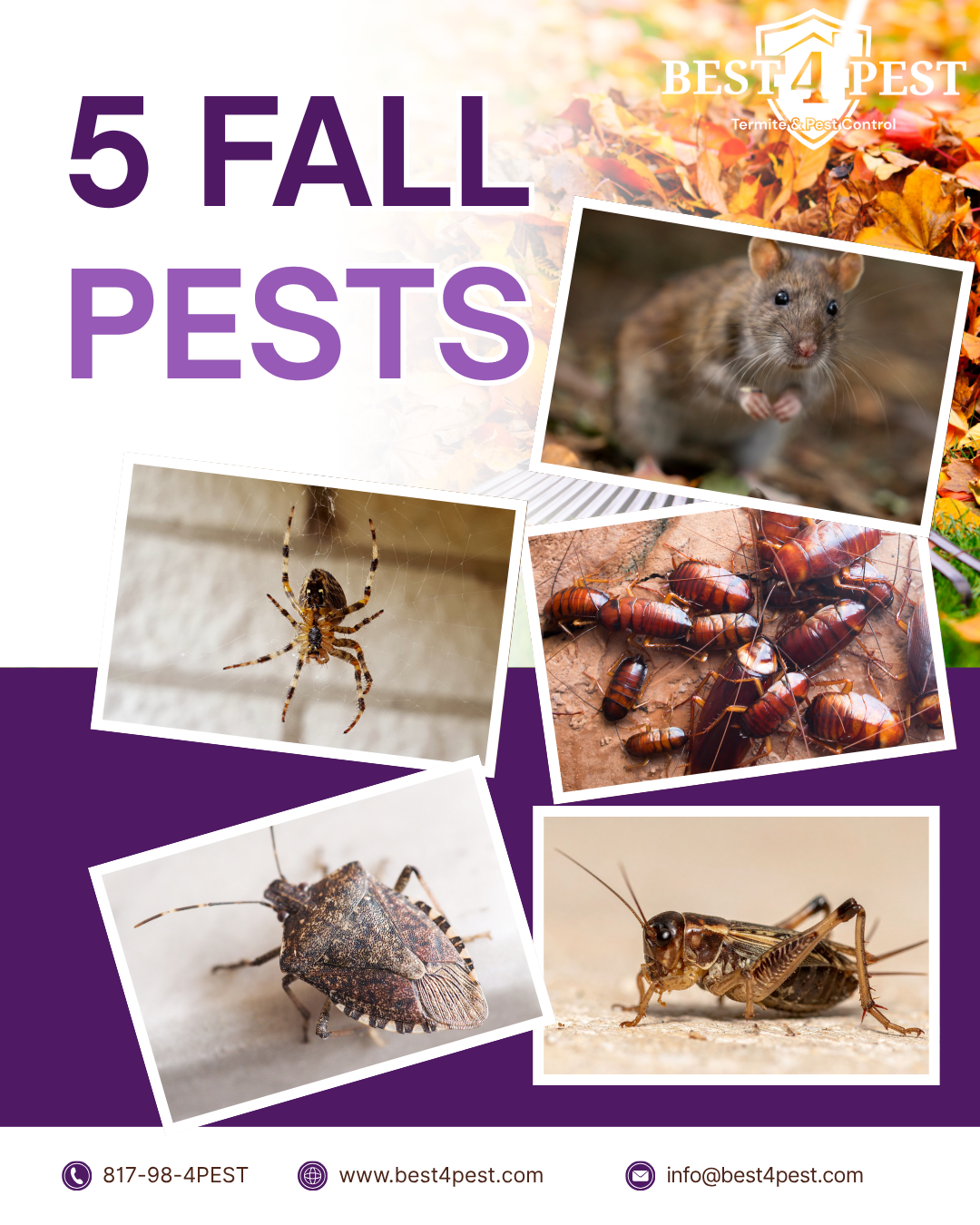
Fall is here again! Fall in North Texas and DFW in general is beautiful. It’s the perfect time to wrap yourself up in warm throws, sipping warm apple cider or pumpkin latte as you watch the beautiful fall of leaves through the windows.
Yeah right…
Even though we can pretend it’s nice and cool we all know that we are sweating through that warm throw blanket and the warm apple cider just isn’t hitting the way it would be if you were in Portland right now… While our weather hasn’t had a drastic shift just yet, our bugs are changing. The summer dominate bugs have decided to calm down for a bit and make way for fall pests. Sharing is caring, right?!
If you live in North Texas here are the common pests you’re likely to encounter in your home during fall.
1. Rodents
Although rodents are a common nuisance all year round, their infestation is at its peak in fall as they seek warmer conditions indoors.
Rodents can get into your house through cracks and openings and are exceptionally adept at squeezing themselves through very tiny gaps.
When inside your home, they can chew or damage your furniture and clothes. They also litter clean surfaces with food particles and their droppings. In extreme cases, they can track bacteria around your house and cause fire accidents if they chew through electricity and power cables.
The most common types of rodents in the DFW are Norway and roof rats.
The roof rat is a gray, squirrellike vegetarian rodent, while the Norway rat is a big, black, burrowing meat-eating rodent. Sure they may be a little bit cute, but they are still 100% uninvited and we will show them the door!
Rodents rapidly reproduce and can be hazardous to your family and costly to get rid of.
2. Cockroaches
While your first reaction to a cockroach may be to burn the house down… maybe take a beat and give us a call! We totally get why you don’t want these gross little punks in your home and we are trained to eliminate them and keep them out swiftly!
These fall pests can contaminate your food, countertops and food pre areas with bacteria spreading a wide range of diseases such as typhoid fever and salmonellosis. They can also trigger asthma attacks in asthmatic individuals through their feces and molted shells.
The common types of house roaches in Dallas/Fort Worth Area include:
American cockroach: Reddish-brown or mahogany in color, measuring about 50mm long
German cockroach: Can be about 11-16 mm and is often tan or almost black
Brown-banded cockroach: Have a dark brown or brown coloration and is about 10-14mm long
Typically, if you spot a cockroach in your home, it might be a sign that you are hosting a whole intrusion of these bothersome fall pests..
3. Spiders
House Spiders
They have elongated bodies that are yellowish-brown with unique dark chevron markings. They are harmless but notorious at building webs in every corner of your home.
Brown Recluse Spiders
Brown recluse spiders are venomous arachnids with distinct violin-shaped markings on their body. They are mainly brown in color and not aggressive but may bite to defend themselves.
Black Widow Spider
These are venomous spiders with a red hourglass figure on their back. They are shiny black and may have red or white spots on their abdomen and back. They aren’t overly aggressive but may bite out of fear.
4. Crickets
The chirping of crickets outdoors is a sure sign of fall. However, these bugs can be a real nuisance when they invade your home.
Besides disturbing your peace with their chirping, did you know that they also feed on your clothing, fruits, vegetables, and grains?!
Crickets also stain your belongings through their fecal matter and breed rapidly!
5. Stink Bugs
Stink bugs or brown marmorated stink bugs are another common fall pest in DFW and just as their name suggests, they stink!
They produce a foul-smelling chemical when threatened or squished.
Typically, these pests are harmless, and you’ll find them feeding on grass and weed. However, their stinky excrement often damages furniture and belongings.
You’ll mostly find these bugs in quiet places within your home, such as attics, crevices, and wall cracks. When stink bugs find a comfortable place to hide during fall, they release pheromones to signal their fellows that they have found conducive shelter and that they should come too.
And as a result, you end up with many stink bugs at different corners of your home.
Fall Pest Preventive Measures
Fall pests can be a nuisance, but learning how to deal with them can go a long way in helping you handle their infestation. Here’s how you can keep these pesky pests out of your home in the fall season:
Declutter your home to reduce hiding spots
Reduce their entry paths by sealing cracks, gaps, holes, and openings in your foundation and walls
Keep your home clean by maintaining a clean kitchen, lounge and emptying all garbage
Drain stagnant water and fix any leaking seals
Be cautious of your fall decorations; live pumpkin, wood, and straws attract pests
Fall in Dallas is a beautiful season, don’t let pesky fall pests ruin your moments.
Contact us today for professional pest control services at affordable rates.
3 Rodents that Could Harm Your Business

Mice and rats may be widespread throughout the U.S., but don’t let that keep your from holding the line when it comes to keeping your business rodent-free. Regardless of your industry, rodent control is crucial for upholding regulations, retaining your reputation, and protecting your profits.
Understanding the types of rodents you may encounter, the harm they can cause, and the most effective strategies for prevention and control is key to keeping your business rodent-free. Here’s what you need to know.
The Major Offenders
Many rodents, such as Norway rats, Roof rats, and House mice, survive by feeding off of humans and animals while offering nothing beneficial in return. Their presence can result in inventory losses, potential business closures, and harm to your reputation.
As opportunistic feeders, these rodents are always on the hunt for their next meal. No matter your industry, whether it’s food supply, food service, retail, hospitality, or property management, it’s necessary to stay vigilant. Consider adding a check for signs of rodent activity to your daily operations.
House Mice
Mice are constantly searching for food and a cozy place to nest. Their fur color ranges from light brown to dark gray, and they typically measure between 2 to 5 inches in length. With the ability to squeeze through gaps as small as a pencil, sealing even the tiniest openings is required to keep them out.
As nocturnal creatures, mice are most active at night when you and your staff might not be around to spot them. However, you’ll likely notice telltale signs of their presence, such as gnawed baseboards, chewed cardboard boxes or food containers, and droppings. Mouse droppings are about a quarter inch long, pointed at the ends, and often found in clusters.
Although mice will eat nearly anything, they have a preference for carbohydrate-rich foods like grains, oats, rice, fruits, and seeds. They prefer to nest close to their food source, which is why they often settle inside walls near kitchens, pantries, and other areas where food is prepared or stored.
Block entry points by sealing holes and cracks, and use steel wool to cover any openings.
Maintain a clear, vegetation-free zone around your building, and trim trees and shrubs to prevent contact with the structure.
Regularly clean and disinfect kitchens and food preparation areas.
Store food in sealed containers and keep them elevated off the floor.
A mouse infestation can have long-term consequences for your business. If you suspect mice have invaded your building, reach out to us as soon as possible.
Norway Rats
Norway rats, also called brown rats, street rats, or sewer rats, are omnivores that will consume almost anything. With an excellent sense of smell, they rely on their noses to locate food. They can grow up to 11 inches in length with brown or gray fur, and some Norway rats can squeeze through openings as small as ¾ of an inch. They also breed quickly, with a single female producing up to five litters per year.
These rats are natural burrowers and prefer to live underground, making basements and crawl spaces ideal nesting spots if they find their way into your business.
Norway rats pose serious risks, as they can carry disease-causing pathogens that contaminate food and inventory. Keep an eye out for signs such as gnaw marks, greasy-looking trails found on frequent travel paths, and the sound of scurrying. Their droppings are larger, shaped like pellets, and less abundant compared to those of mice.
Ways to prevent Norway rats
Fix leaks and repair dripping faucets to remove sources of moisture.
Keep trash bins clean and ensure dumpsters are properly sealed.
Trim back vegetation around the building to prevent rats from finding hidden burrowing spots.
Avoid leaving food exposed, especially overnight.
Roof Rats
Roof rats are often found outdoors, but their search for food and shelter can lead them inside your business, especially in attics, roofs, and chimneys. As expert climbers, they easily navigate from tree branches or power lines onto rooftops and can slip inside openings as small as a quarter.
With fur ranging from light to dark brown, roof rats are slightly smaller than Norway rats, growing up to 8 inches long. Although they prefer seeds and plant-based foods, they are opportunistic eaters and will consume almost anything they find. Their strong teeth allow them to chew through materials like plastic, soft metals, and other barriers to access food. Known for their foraging habits, roof rats often stash and hoard food for future use.
Signs of an infestation include gnaw marks, electrical problems caused by rats chewing on wires within walls and ceilings, greasy rub marks along frequently traveled paths, and droppings that are about ½ an inch long with pointed ends.
Ways to prevent Roof rats
Trim tree branches away from the roof to reduce access points for rats.
Check the roof for any gaps or openings and seal them properly.
Maintain cleanliness in food areas and store food in tightly sealed containers.
Regularly remove trash and waste, ensuring dumpsters remain securely closed.
What to Do If You Suspect Rodents
A rodent problem can escalate quickly without Best4Pest is a wise investment in your business’s well-being. A trained technician will assess your property, identify the specific rodent species, and recommend the most effective solutions for both removal and long-term prevention.
While there are many indicators of a rodent infestation, the most obvious is spotting a live or dead rodent. If you see a mouse or rat in or around your business, don’t take chances—contact a pest control expert right away.
Have you noticed any warning signs within your buildings? Contact us now to schedule a service before it gets worse.
Defeat Bed Bugs Quickly
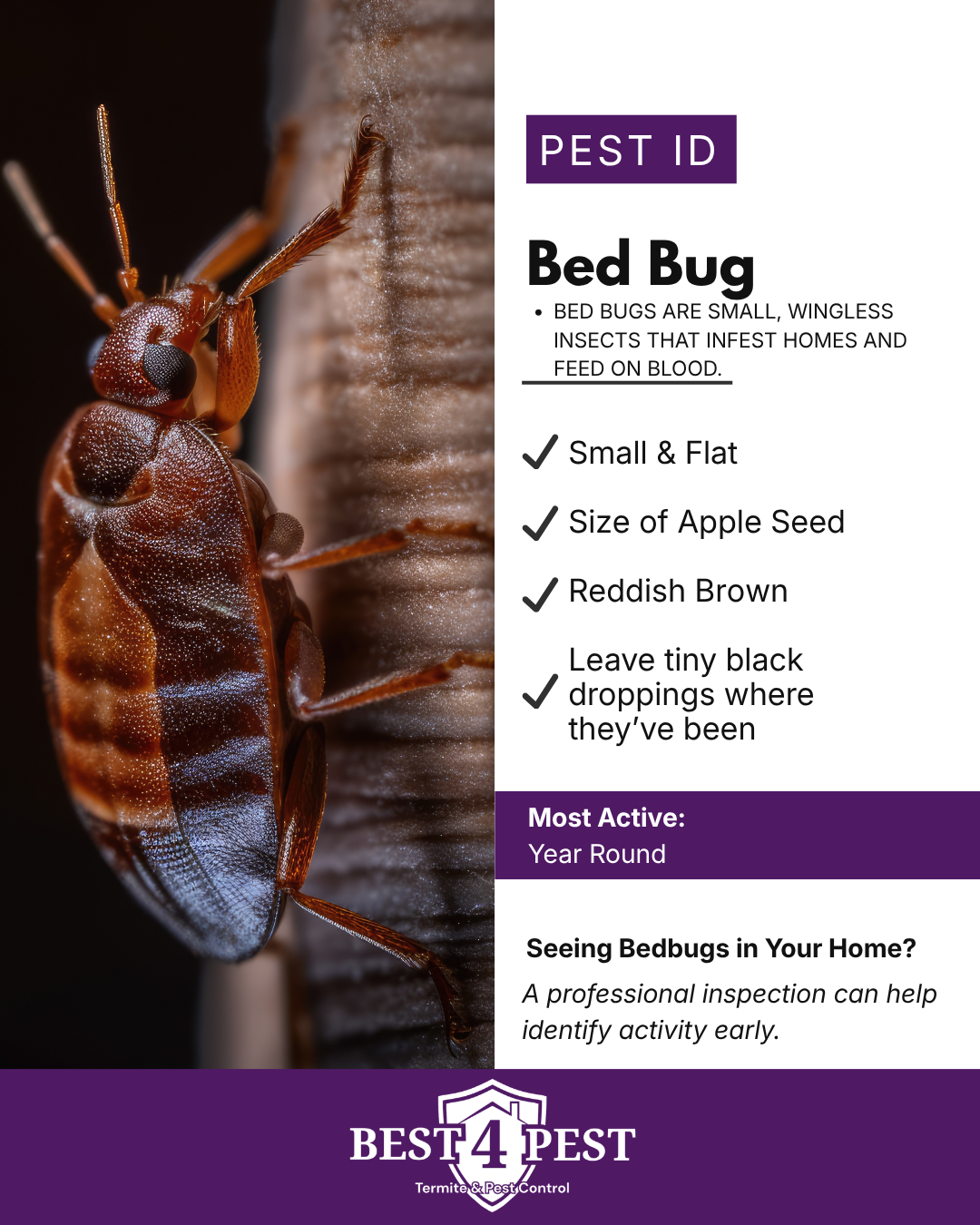
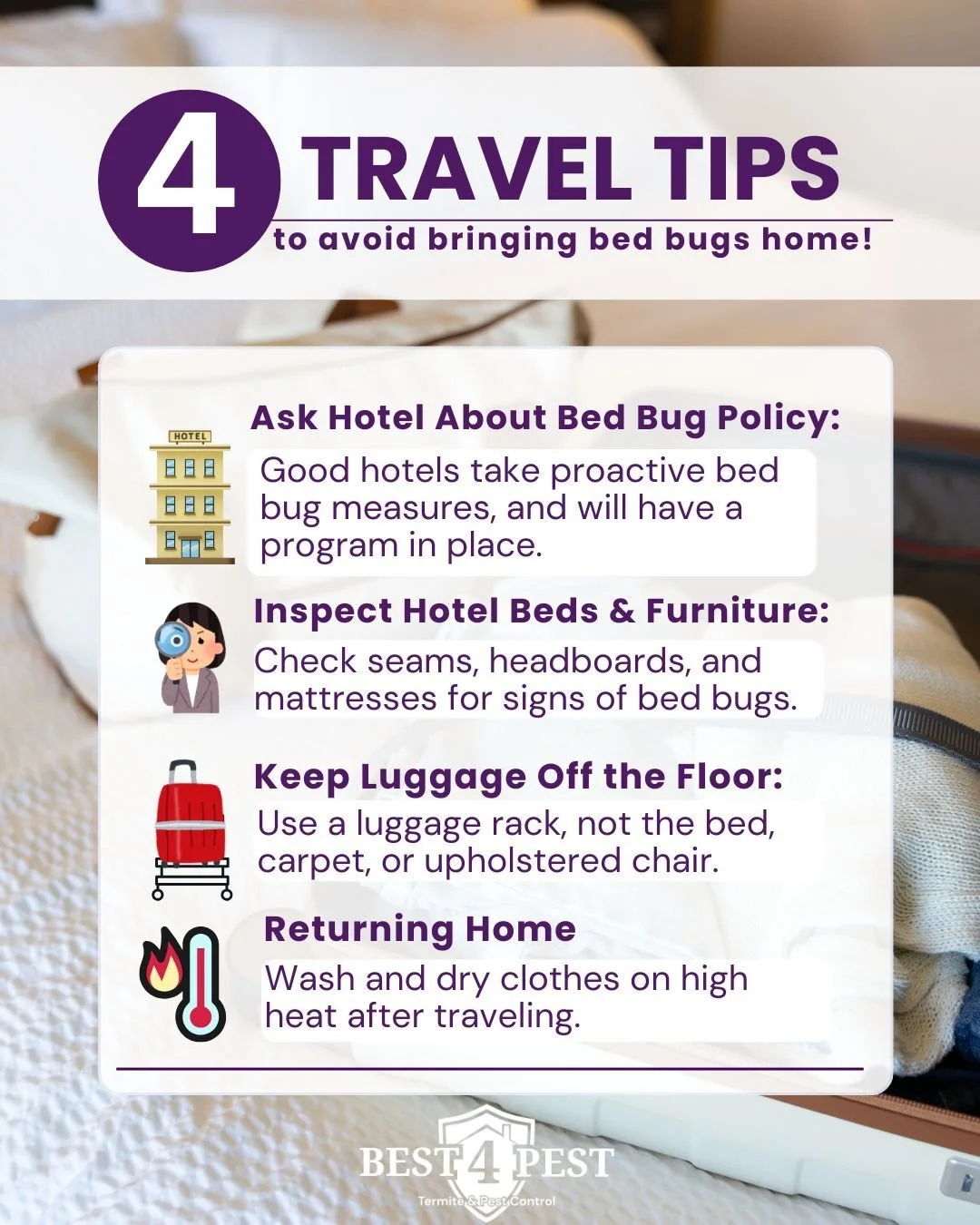
Bed bugs are every homeowner’s worst nightmare, and it is essential to know how to identify a bed bug infestation as soon as possible, before it gets out of control. If you need help with pest control in North Texas, Best4Pest is your best bet. We will quickly identify what kind of pests you are dealing with, and immediately outline a solution. When your home is on the line, we are your best defense!
Here are a few signs that you may have bed bugs in your home.
Reddish or rust-colored mattress spots from smashed bedbugs
Dead bedbugs under the mattress or under the mattress cover
Small dark brown or black spots about the size of an asterisk (*) which are bed bug feces
Physical bites on you or your loved ones (reddish and resemble ant bites or a rash)
Identify Bed Bugs Early
Just like with any home invader, it is best to treat a bedbug infestation early, rather than to wait for them to take hold. A severe bed bug infestation can create painful bites and unsanitary living conditions. The sooner bed bugs are discovered, the more quickly and efficiently we can eliminate them.
Where Do Bed Bugs Hide?
Bedbugs are so small, they can fit in many crevices, especially in a heavy infestation. A trained professional can help detect these pests. If you suspect you may have bedbugs, check the following hiding places:
Curtains
Wall joints and molding
In seams of drawers
Between couch cushions
Within electrical components
Inside any furniture
Under loose wallpaper edges
Inside electrical appliances
Contact Best4Pest if you have further questions or concerns about bedbugs or any other pest related issues.
Sources:
https://www.webmd.com/skin-problems-and-treatments/guide/bedbugs-infestation#1
https://www.epa.gov/bedbugs/how-find-bed-bugs
https://www.pestworld.org/all-things-bed-bugs/signs-of-bed-bugs/
Best Pest Control Near Me
We’ve made a list of the top reasons why Best4Pest is the Best Pest Control Service in DFW and while we could go on and on we capped the list at 13.
One of the most significant advantages of choosing Best4Pest is our comprehensive pest control solutions. Unlike DIY methods, which often provide temporary relief, professional pest control companies offer long-term solutions. We address the root cause of infestations, ensuring that pests are not just eliminated but prevented from returning.
Tailored Treatment Plans
Every home is unique, and so are its pest control needs. At Best4Pest, we customize our treatment plans to suit the specific requirements of your home. Our expert technicians conduct a thorough inspection to identify the type of pests and the extent of the infestation. Based on this assessment, we develop a tailored treatment plan that effectively targets the pests troubling your home.
2. Safe and Environmentally Friendly Methods
Safety is a top priority for us. Our pest control methods prioritize the safety of your loved ones and the environment. Our products are carefully selected to minimize environmental impact while ensuring maximum efficacy. By choosing Best4Pest, you can have peace of mind knowing that your pest control measures are safe and sustainable.
3. Protecting Your Health and Property
Pests are not just a nuisance; they can pose significant health risks and cause substantial property damage. From spreading diseases to compromising the structural integrity of your home, the impact of pests can be far-reaching. By engaging a professional pest control company like Best4Pest, you can protect both your health and property.
4. Disease Prevention
Many pests, such as rodents, cockroaches, and mosquitoes, are carriers of diseases. These pests can contaminate your food, living spaces, and air quality, leading to health issues for you and your family. Our pest control services are designed to eliminate these health threats effectively. We ensure that your home is a safe and healthy environment, free from disease-carrying pests.
5. Preventing Property Damage
Termites, ants, and rodents are notorious for causing structural damage to homes. Termites can silently eat away at the wooden structures, leading to costly repairs. Rodents can chew through wires, causing fire hazards. Best4Pest offers specialized treatments that protect your home from such damages. Our preventative measures help safeguard your investment and maintain the integrity of your property.
Cost-Effective Pest Control
While DIY pest control methods might seem cost-effective initially, they often fall short in providing lasting results. Professional pest control services from Best4Pest offer better value for money in the long run. Here’s why:
6. Long-Term Savings
DIY solutions often provide only temporary relief, leading to recurring infestations that require repeated treatments. These costs can accumulate significantly over time. In contrast, professional pest control services address the root cause of the problem, providing long-lasting results. By preventing re-infestations, we help you save money on future pest control efforts.
7. Avoiding Costly Repairs
Pest-related damages can be expensive to repair. Termite damage, for instance, can compromise the structural integrity of your home, leading to costly renovations. By investing in professional pest control, you can avoid such expenses. Best4Pest’s proactive approach ensures that pests are eliminated before they cause significant damage, saving you from hefty repair bills.
When to Call in the Professionals
When it comes to pest control, expertise and experience matter. Best4Pest has a team of highly trained and experienced technicians who understand the behavior and biology of various pests. This knowledge enables us to develop effective strategies for pest elimination and prevention.
9. Professional Training
Our technicians undergo rigorous training to stay updated with the latest pest control techniques and technologies. This ensures that we can tackle even the most challenging infestations efficiently. Our commitment to continuous learning and improvement sets us apart as a leading pest control company in DFW and all of North Texas.
10. Advanced Tools and Techniques
At Best4Pest, we use state-of-the-art tools and techniques to deliver superior pest control services. Our advanced equipment allows us to detect and eliminate pests with precision, ensuring thorough treatment. By leveraging the latest innovations in pest control, we provide our clients with the best possible results.
11. Convenience and Peace of Mind
Hiring a professional pest control company like Best4Pest offers unmatched convenience and peace of mind. Dealing with pests can be stressful and time-consuming. Letting experts handle the problem allows you to focus on what matters most while we take care of your pest issues.
12. Scheduled Treatments
We offer a variety of scheduling options to suit your needs. Our regular maintenance programs ensure that your home remains pest-free throughout the year. With scheduled treatments, you can rest assured that your home is protected from pests without any hassle
13. Guaranteed Results
At Best4Pest, we stand by the quality of our work. Our services come with a satisfaction guarantee, ensuring that we meet your expectations. Enjoy peace of mind with our warranty: we'll re-treat your home for free if pests reappear within the warranty period. This commitment to excellence provides you with the peace of mind that you are getting the best pest control services available.
Book an Appointment with Best4Pest
Choosing the best pest control company for your home is crucial for maintaining a healthy and comfortable living environment. Best4Pest, located in DFW, Texas, offers top-notch residential and commercial pest control services that deliver lasting results. Our comprehensive solutions, commitment to safety, and expertise make us the preferred choice for homeowners seeking effective pest management.
Don’t let pests take over your home. Contact Best4Pest today at 817-98-4PEST to schedule an inspection and learn more about our services. We target ants ,cockroaches,rodents, mosquitoes and termites, and happily serve Dallas —Fort Worth —Keller —Lewisville —Plano—Frisco —NRH —Colleyville —Southlake —Roanoke —Grapevine and surrounding areas.
Let us help you reclaim your home from unwanted pests and enjoy a pest-free living space.
Reasons Why DIY Pest Control Will Fail.
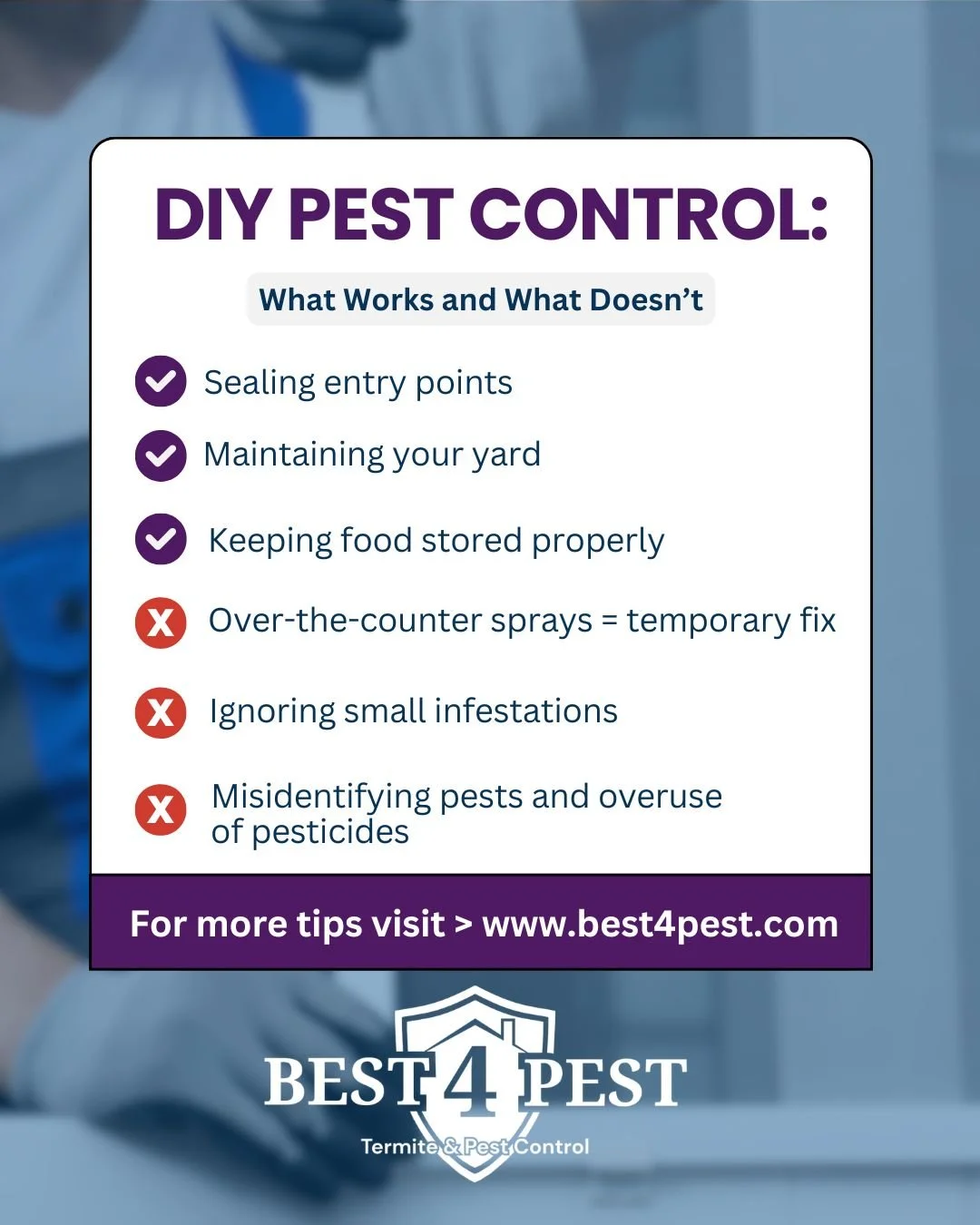
Trying to keep pests at bay with DIY methods may seem like a quick fix, but it often leads to unintended consequences. While these solutions might save money upfront, they can expose your home to greater pest infestations, health risks, and environmental harm. Before grabbing that store-bought pesticide or setting traps, it’s vital to understand the hidden dangers of handling pest control on your own.
Why DIY Pest Control Falls Short
Health Risks of Chemical Exposure
Improper use of over-the-counter pest control products can cause serious health issues. Pesticides often contain potent chemicals that, when misapplied, can lead to respiratory problems, skin irritation, and even poisoning. Without the right gear or knowledge, you’re putting yourself and your family, including kids and pets, at risk.
Pest control has many moving pieces including biology, behavior, weather cycles, and geographic location. There is no way for any single, untrained person to do it all on their own, especially if they are not trained and certified. When you hire professional exterminators, you are getting an expert with years of training and experience who knows all about these things.
Ineffective or Temporary Solutions
DIY methods like sprays and traps may address symptoms, but they rarely treat the core issue. Infestations often return because these techniques don’t target root causes like nests or breeding sites. Over time, repeated applications add up in cost and frustration without delivering lasting relief. There are many pests that look alike but are not the same. Therefore, misidentification of the pest is possibly one of the most common and dangerous mistakes in DIY pest control. For example, there are over 12,000 known species of ants in the world, and they differentiate in patterns and habits. DIY pest control does not cater treatments to the different pests.
Environmental Concerns
Harm to Beneficial Creatures
Without professional guidance, pest control efforts can harm species that contribute to a balanced ecosystem, like bees or birds. Chemicals may drift to places you didn’t intend, disrupting wildlife and local flora.
Potential Water Contamination
Excess pesticide use can seep into the soil and contaminate nearby water sources. This not only damages local ecosystems but could create long-term environmental hazards for your community.
Why Professional Services Are Smarter
Experts bring a wealth of knowledge, proper equipment, and safe solutions to tackle pest problems effectively. They can identify the specific pest at hand, apply targeted treatments, and offer solutions that work long-term. Many professionals also follow Integrated Pest Management (IPM) strategies that prioritize the safety of your home and the environment. Many people will buy a can of bug spray and think they can just spray the problem away. This usually does nothing to get rid of the pest or its eggs for good. There are many types of insects, rodents, and other pests that require many different approaches in order to eliminate them. It’s an uphill battle that’s designed to fail and in the end you lose!
Save yourself from health risks, recurring infestations, and environmental harm with a call to the pros. Talk to trusted experts at Best4Pest who understand the complexities of pest control that are specific to the North Texas climate and ensure your home stays safe.
Make the Safer Choice Today
If you have any signs of pests or an infestation in your home, Best4Pest is the “best exterminator near me”. We specialize in all sorts of pest control, including termite treatment, termite inspection, ant control, rodent control, cockroach control, best mosquito repellent, etc. If you are wondering how to get rid of spiders or how to get rid of ants, call us before you attempt DIY pest control! Protect your home and family with Best4Pest we provide professional pest control tailored to your needs and the DFW climate. Reach out to our team now and enjoy long-lasting protection without the risks of DIY methods. Don’t wait for an infestation to take over call 817-98-4PEST today for peace of mind!
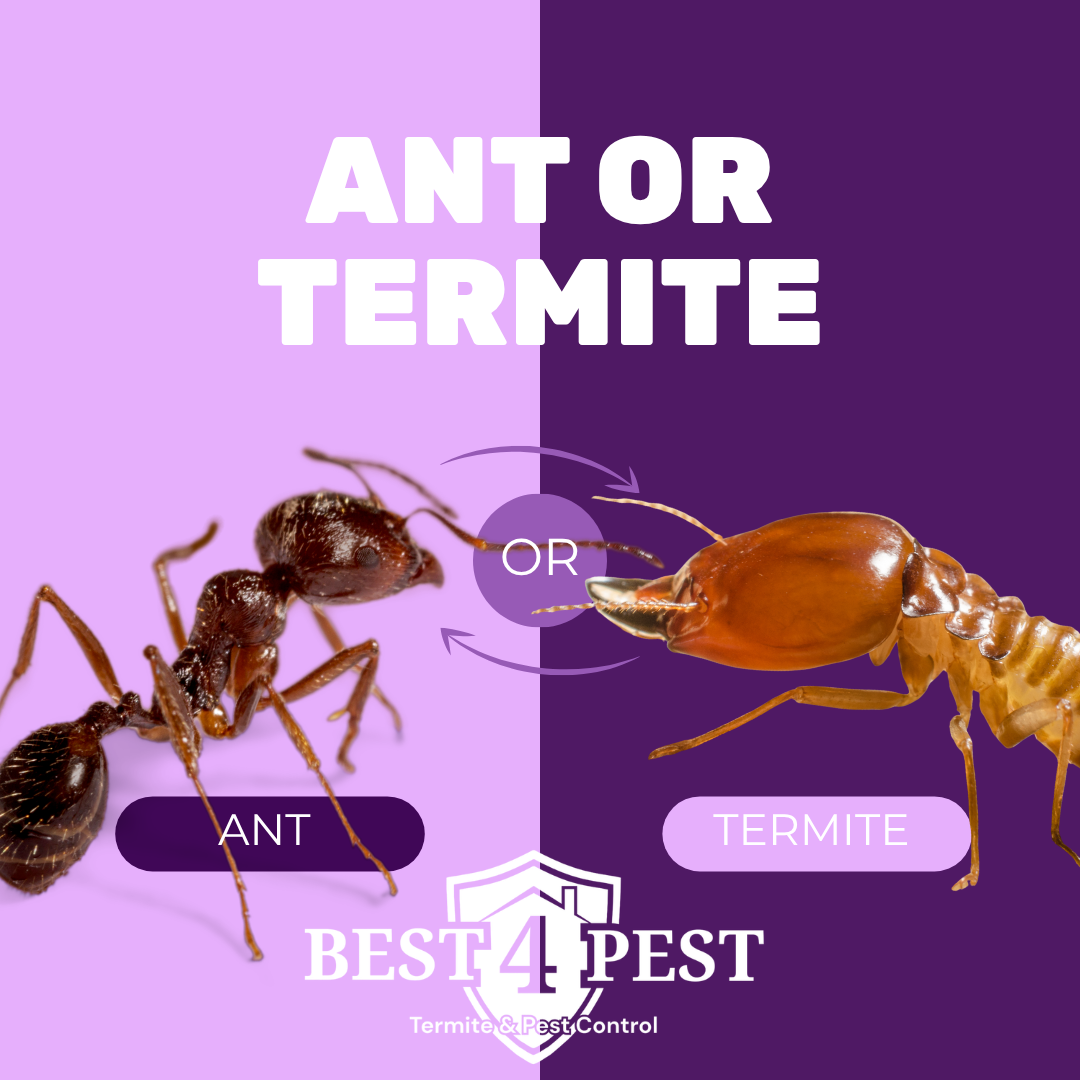
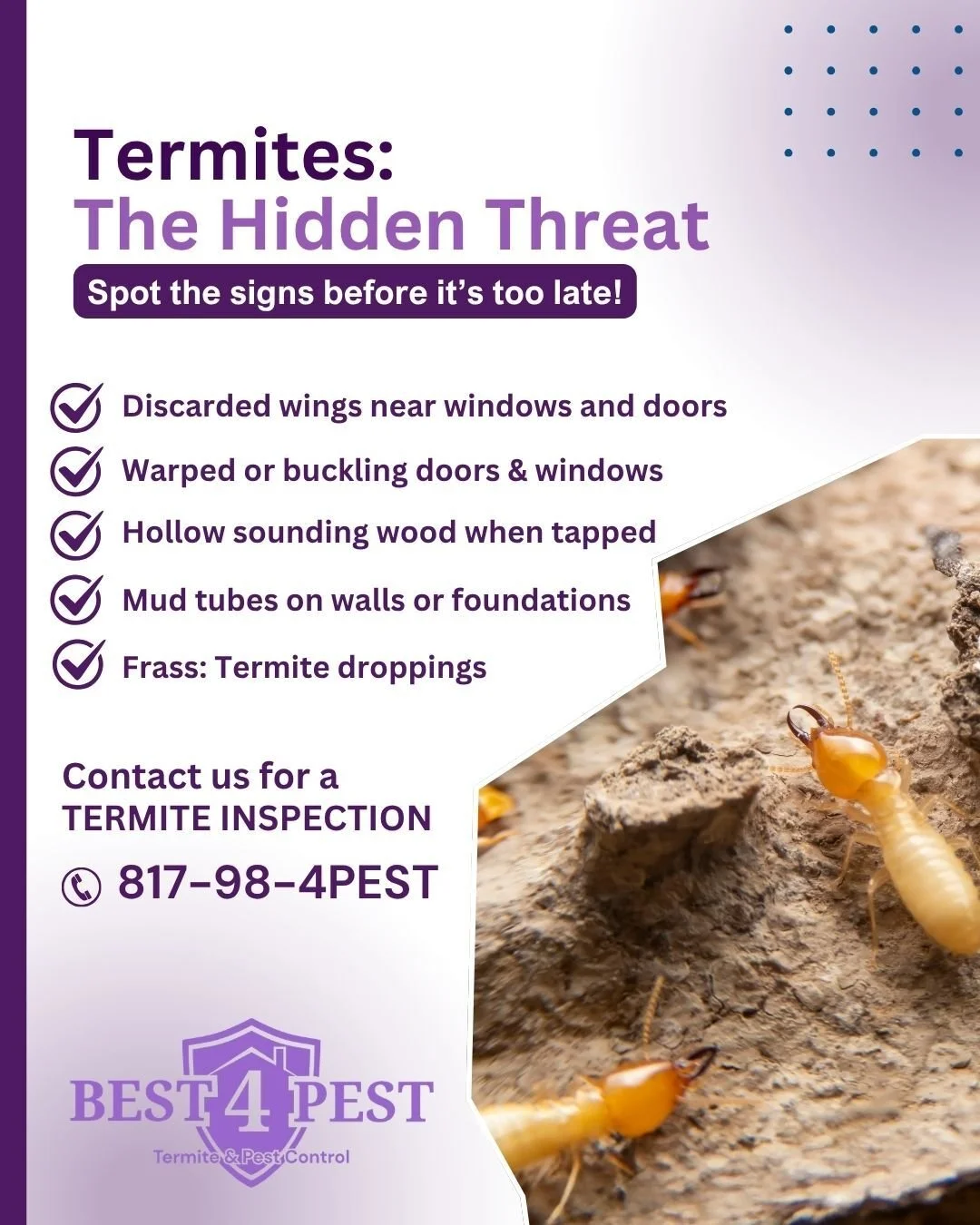
Ant vs. Termite: How to Tell the Difference
Distinguishing a termite from an ant (often confused during swarming season) comes down to a few key physical features: antennae, body shape, and wings
Ants: Have pinched, hourglass-shaped waists, elbowed (bent) antennae, and forewings that are noticeably longer than their hindwings.
Termites: Have straight, uniform bodies, straight (beaded) antennae, and four wings of equal length.
Check out our blog for more information!
You see a swarm of winged insects crawling out of your lawn or gathering around the window and you immediately ask: Are those ants… or termites?
These two pests are often confused, and telling them apart at a glance isn’t always easy.
But knowing the difference matters: ants are mostly a nuisance, while termites can quietly chew through your home’s structure.
Let’s break down the key differences so you can spot who’s who before they cause trouble.
Why People Confuse Them
Ants and termites get mistaken for each other all the time, especially in spring and summer. In North Texas, the confusion is amplified by fear.
Carpenter ants are far more likely culprits, but because the two pests are so often linked with wood damage, many homeowners assume the worst.
Swarmers look similar. Both ants and termites have winged reproductive forms (called swarmers) that emerge in large numbers to mate and start new colonies. These winged insects are the ones you’ll most often see flying around windows, doors, or porch lights, and at a glance, they look nearly identical.
Both love wood. While ants don’t actually eat wood, carpenter ants hollow it out to make nests. Termites, on the other hand, feed directly on cellulose. To a worried homeowner, seeing insects in or near wood is enough to trigger the T-word.
They both show up close to home. Ants trail through cracks in the foundation or gaps in siding; termites swarm indoors or build mud tubes near window sills and walls. Either way, the insects appear exactly where you don’t want them.
Ant vs. Termite: Physical Appearance
You can refer to the difference chart and image above, but here’s a more detailed version:
Waist shape: Ants have a narrow, pinched “hourglass” waist. Termites, in contrast, have a broad, straight waist that looks more uniform.
Antennae: Ant antennae are bent or elbowed; termites’ antennae are straight and bead-like.
Wings: Ant wings are uneven. The front pair is longer than the back pair. Termite wings are all the same length and often fall off easily, which is why piles of discarded wings near windows or doors are a classic sign of termites.
Colour: Ants are typically dark brown, black, or reddish. Termites are lighter, pale and creamy, or light brown, since they avoid light and prefer hidden environments.
Size: Termites tend to look thicker and more uniform; ants appear segmented and defined.
Pro tip: If you’re not sure what you’re looking at, snap a photo with your phone and zoom in. The waist and antennae alone usually give away whether you’ve got ants or termites.
Behaviour & Habitat
Not sure from their physical appearance? Watch what they do.
Ants are bold. They build visible mounds in the soil, create long foraging trails, and happily invade your kitchen in search of sweets and proteins. Carpenter ants target damp or rotting wood, hollowing it out for nesting space. They don’t eat the wood, but they can still cause damage.
Termites are stealthy. They stay hidden in soil, wood, or behind walls. Instead of trails, they build mud tubes to stay moist while moving between soil and food sources. They don’t come looking for crumbs or sugar. They’re after cellulose, which means wood, cardboard, and paper.
In short, ants announce themselves, while termites hide their activity until the damage is already serious.
Ant Nests vs. Termite Colonies
Ants and termites are both social insects, but their nesting habits are worlds apart.
Ant nests: Often visible as soil mounds (ant hills) or small entry holes in the lawn. Colonies range in size but are generally smaller and more scattered. Ants are also mobile, and they’ll relocate if disturbed or threatened.
Termite colonies: Hidden underground or inside wood. Colonies are massive, often numbering in the hundreds of thousands. Termites work 24/7, silently tunnelling and feeding. They won’t abandon their colony unless absolutely forced.
Damage Comparison: What’s at Stake
The damage each pest causes is where the difference really hits home.
Ants: Most species are nuisance pests. They contaminate food, invade kitchens, and build unsightly mounds in the yard. Carpenter ants are the exception since they tunnel into damp or decaying wood to build nests, which weakens the structure over time. Still, they don’t eat wood, so their destruction is slower and less severe than that of termites.
Termites: Termites are silent destroyers. They eat cellulose, which means they’ll chew through structural beams, flooring, drywall, furniture, and more. Their feeding can continue unnoticed for months or even years. By the time you see signs, the damage is already extensive. Keep your eyes and ears open for hollow-sounding wood, bubbling paint, sagging floors, or discarded wings.
How Do You Get Rid of Ants and Termites Before They Take Over
Treatment and prevention go hand in hand. As a general rule of thumb: reduce moisture across the yard, keep your lawn trimmed and debris-free, and inspect for swarms in spring.
Catching pests early is good, but keeping them from settling in at all is better.
For ants:
Keep food sealed and clean up spills quickly
Take garbage out regularly and keep bins tightly closed
Trim back vegetation touching the house; ants use branches as highways
Seal cracks in foundations, windows, and doors
Outdoor colonies can often be controlled with targeted baits or perimeter treatments
For termites:
First and foremost, schedule inspections and termite control; termites are nearly impossible to detect without a trained eye. DIY sprays don’t reach hidden colonies.
Keep wood and soil separate. Don’t let deck posts, siding, or firewood sit directly on the ground.
Fix leaks and drainage problems. Moisture draws termites.
Maintain gutters and downspouts to keep water away from the foundation.
Store firewood well away from the house.
Pest Control You Can Count On…
Ants and termites may look alike at first glance, but they couldn’t be more different in what they mean for your home. Ants are messy invaders, while termites are destructive freeloaders. Knowing the difference helps you act quickly and protect your biggest investment.
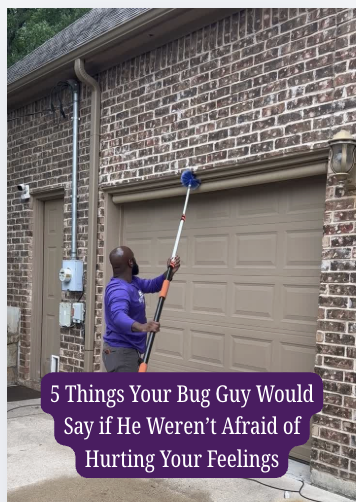
What your pest guy would tell you if he weren’t afraid of hurting your feelings…
What Your Pest Control Tech Would Say if He Weren't Afraid of Hurting Your Feelings.
If your pest control tech could be 100 percent honest without worrying about feelings… here’s what actually keeps pests coming back
What Your Pest Control Tech Would Say if He Weren't Afraid of Hurting Your Feelings.
If your pest control tech could be 100% honest without worrying about feelings… here’s what actually keeps pests coming back
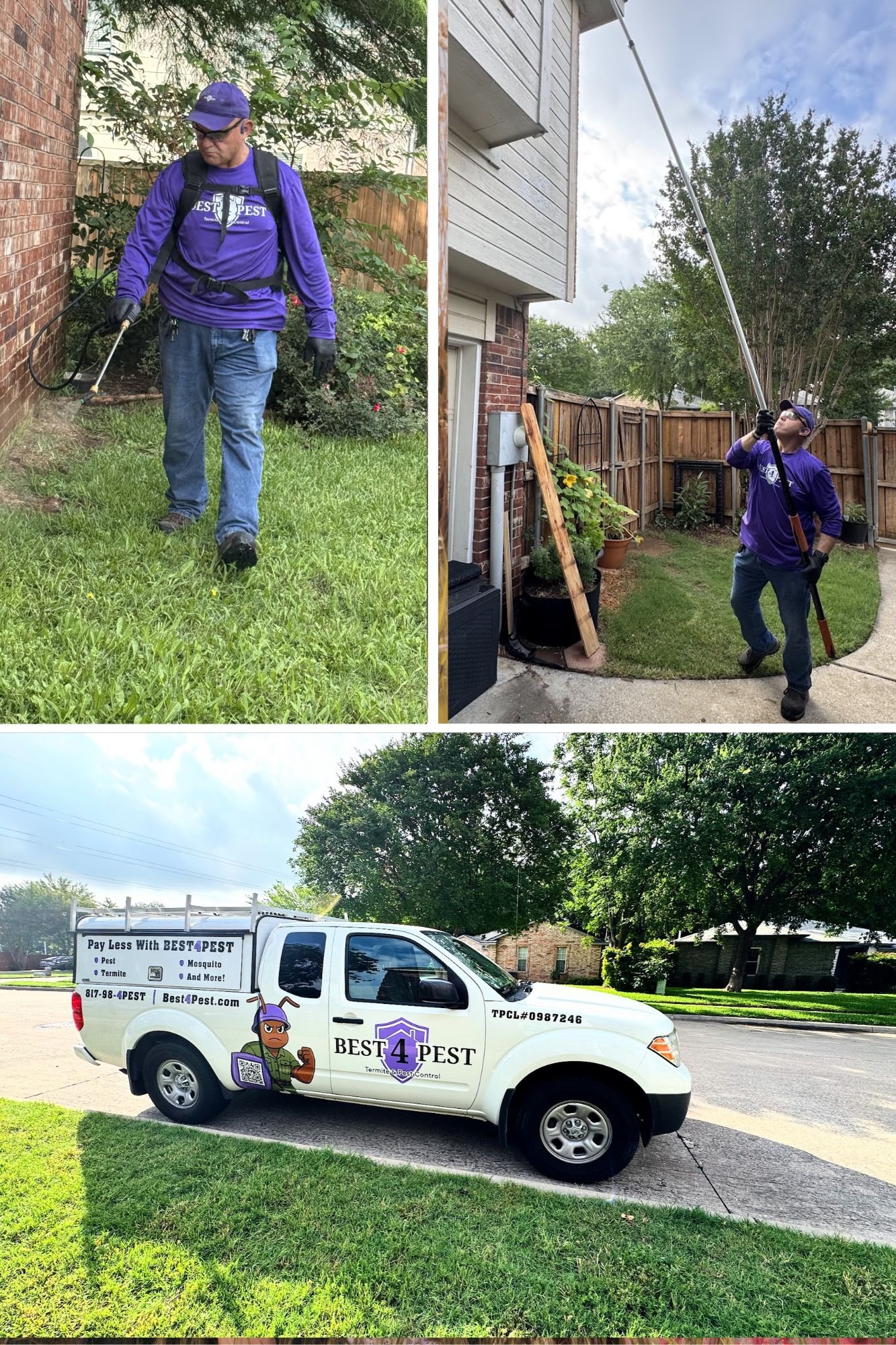
1️⃣ Stop Leaving Food Out! This feeds the problem.
Crumbs, pet food, and open containers turn your home into a nonstop buffet for ants and roaches. Less food access means fewer pests.
2️⃣ It May Be Time for a Yard Sale! Clutter creates perfect hiding spots.
Basements, garages, and storage areas packed with boxes are ideal nesting zones for mice and insects. Decluttering removes shelter and limits infestations.
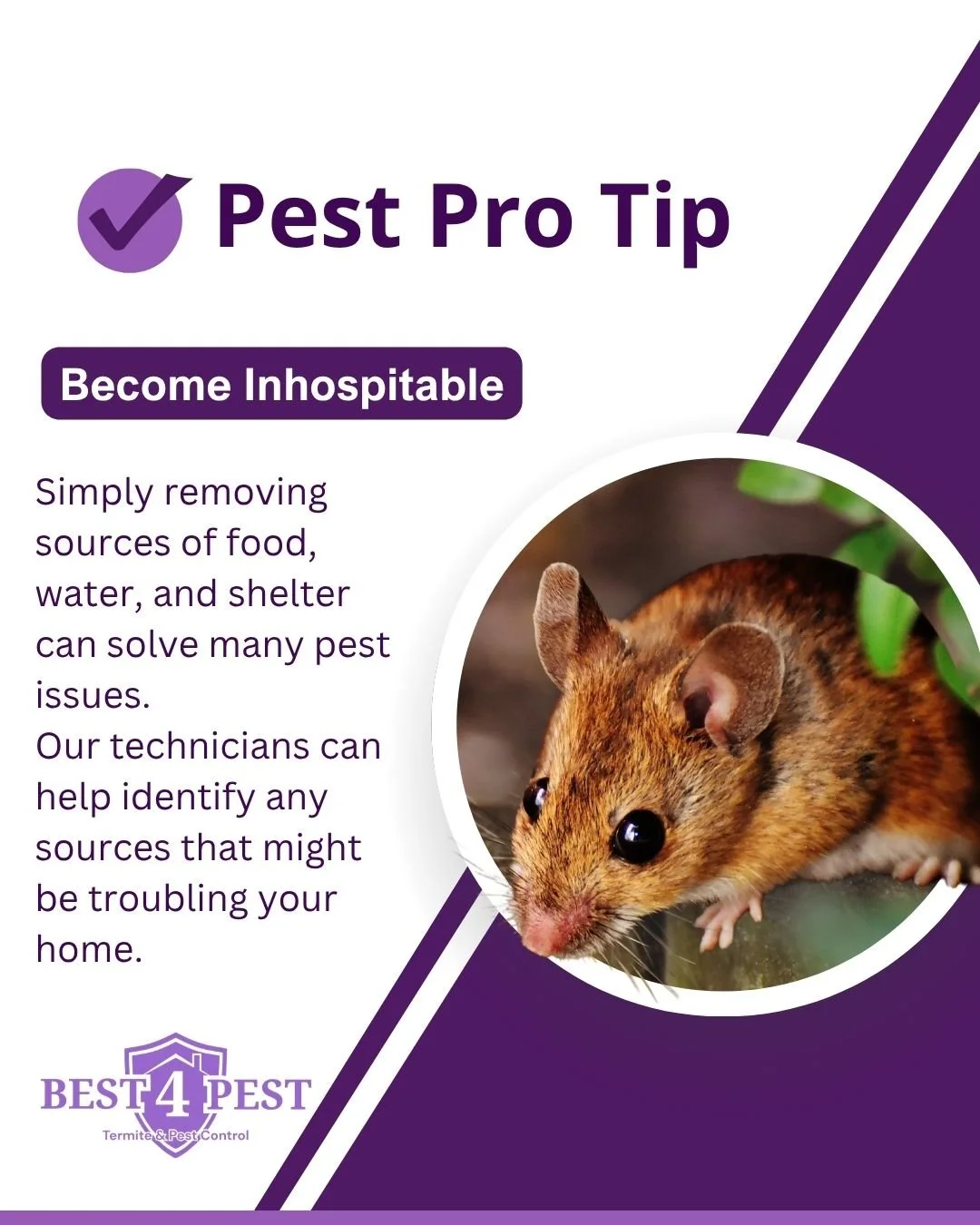
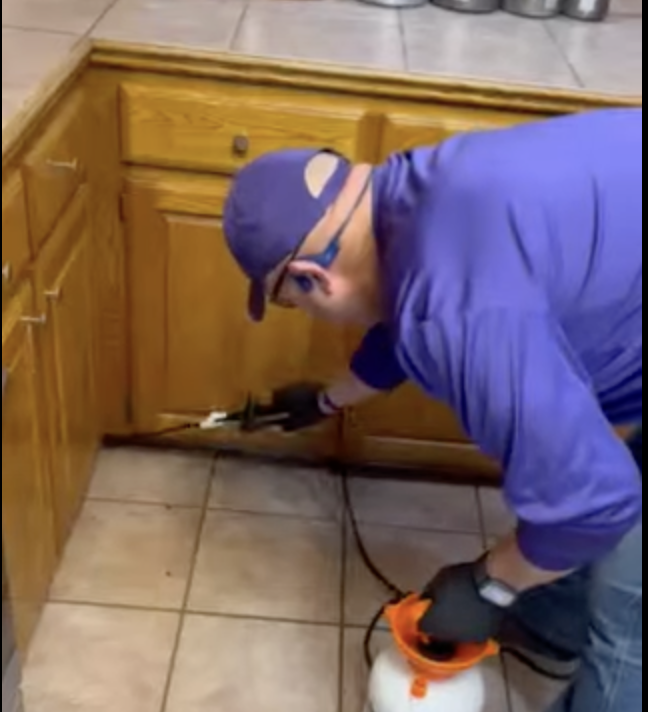
3️⃣ Leave it to the Professionals! Store bought sprays only treat symptoms and ignore the root cause.
They may kill visible bugs, but they do nothing to eliminate nests, colonies, or entry points hidden behind walls and cabinets. Treating the root cause will eliminate the problem and reduce the likelyhood of your pests returning. This is an ongoing process and will need maintenance but this is our specialty. We are experts on bug, pests, rodents and more so that you don’t have to be.
4️⃣ Dry it up, Buttercup! Moisture problems invite pests inside.
Leaks, damp basements, wet sinks, and humidity attract ants, roaches, silverfish, and rodents. Fixing moisture issues is a core part of real pest control.
5️⃣ Prevention is Key & Early treatment saves money and stress.
Waiting until an infestation explodes makes treatment harder and more expensive. Preventative pest control always works better than emergency fixes.
We are here to help with any of your pest control issues. Schedule your free inspection and estimate today.
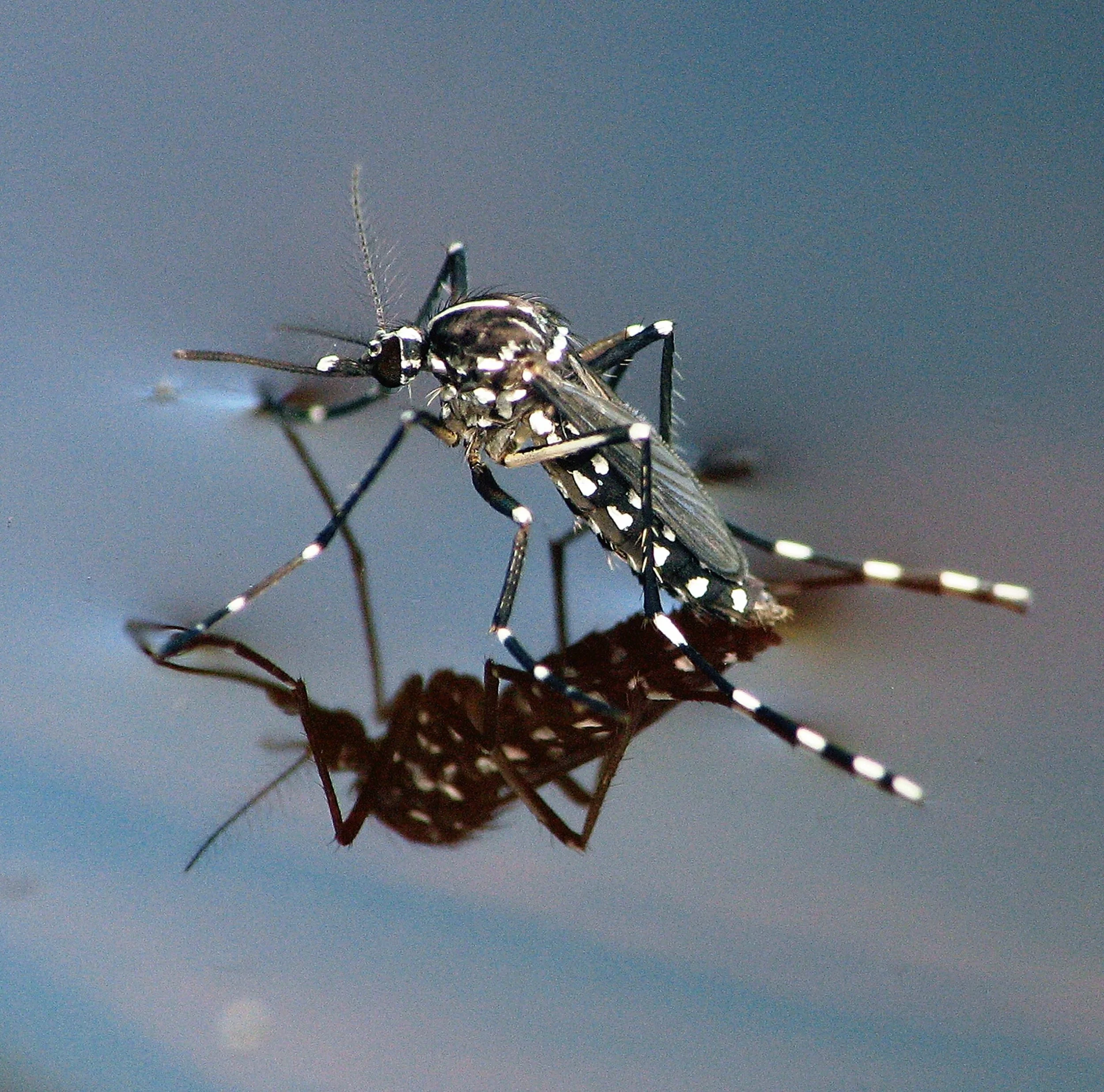
Mosquitoes Suck… the life out of your family.
Mosquito Borne Illnesses are no joke and they can be scary if youre not prepared! The CDC reports that only some types of mosquitoes can spread germs (viruses and parasites) to people and animals. In the United States, the most common types of mosquitoes that can spread germs include: Aedes species mosquitoes, Culex species mosquitoes, & Anopheles species mosquitoes and that West Nile is one of the most common mosquito-borne diseases in the continental United States. Best4Pest's In2Care bucket system targets and kills Aedes and Clux mosquitoes as well as other nuisance mosquito species.
When it comes to living comfortably in your own backyard, mosquitoes are often one of the first issues that come to mind. Nobody wants to entertain friends and watch them get eaten alive by the most annoying creatures on the planet!
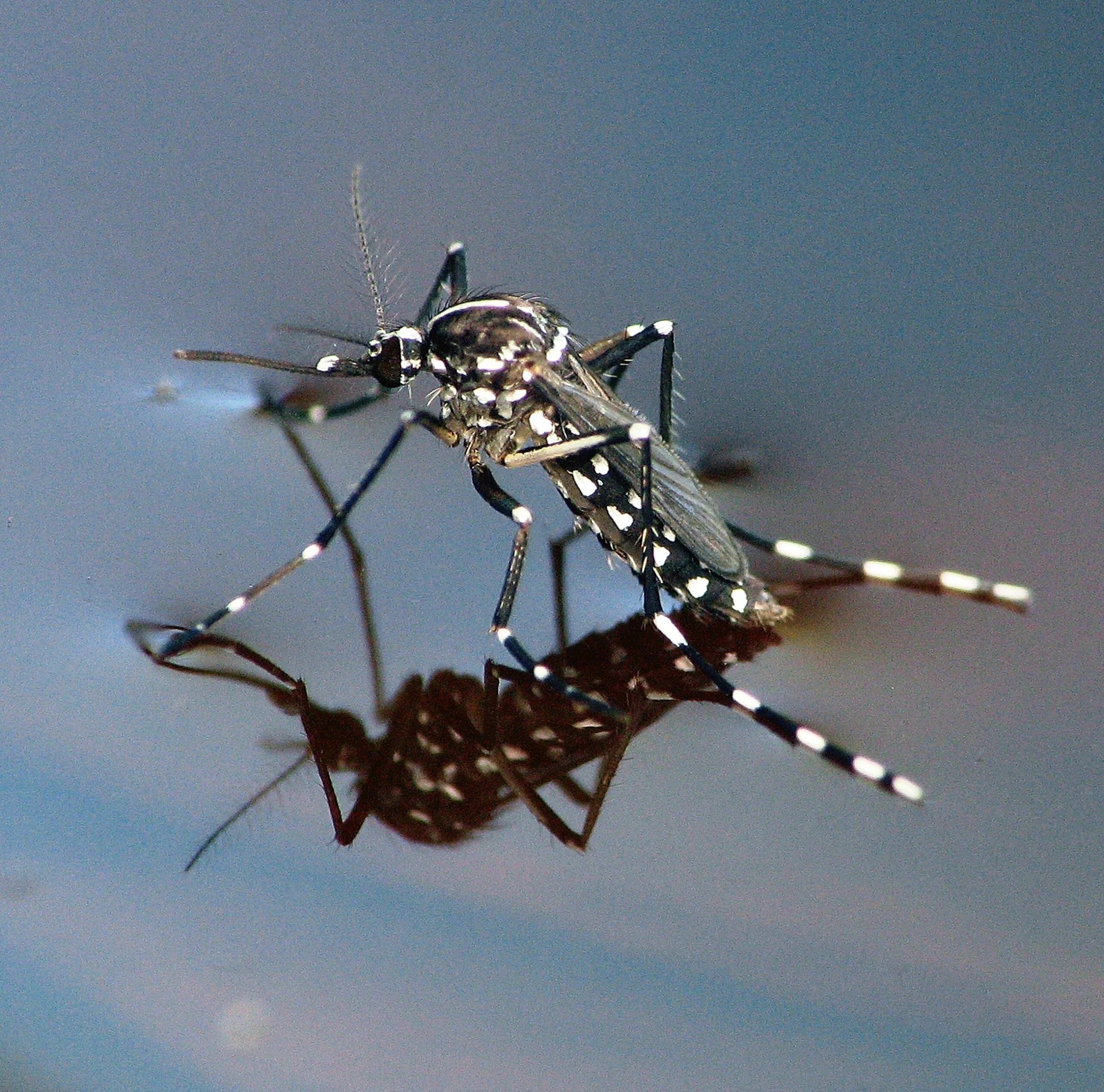
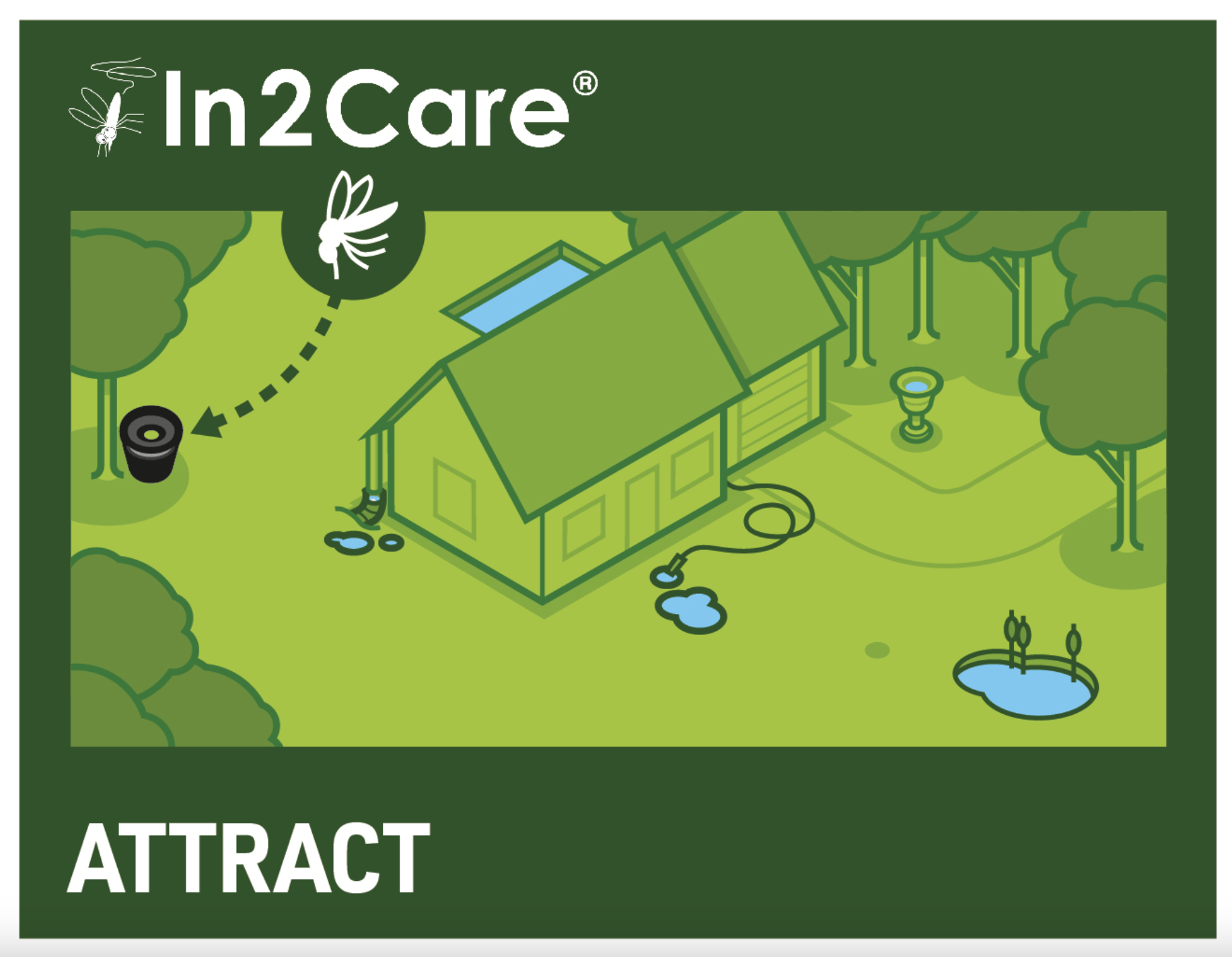
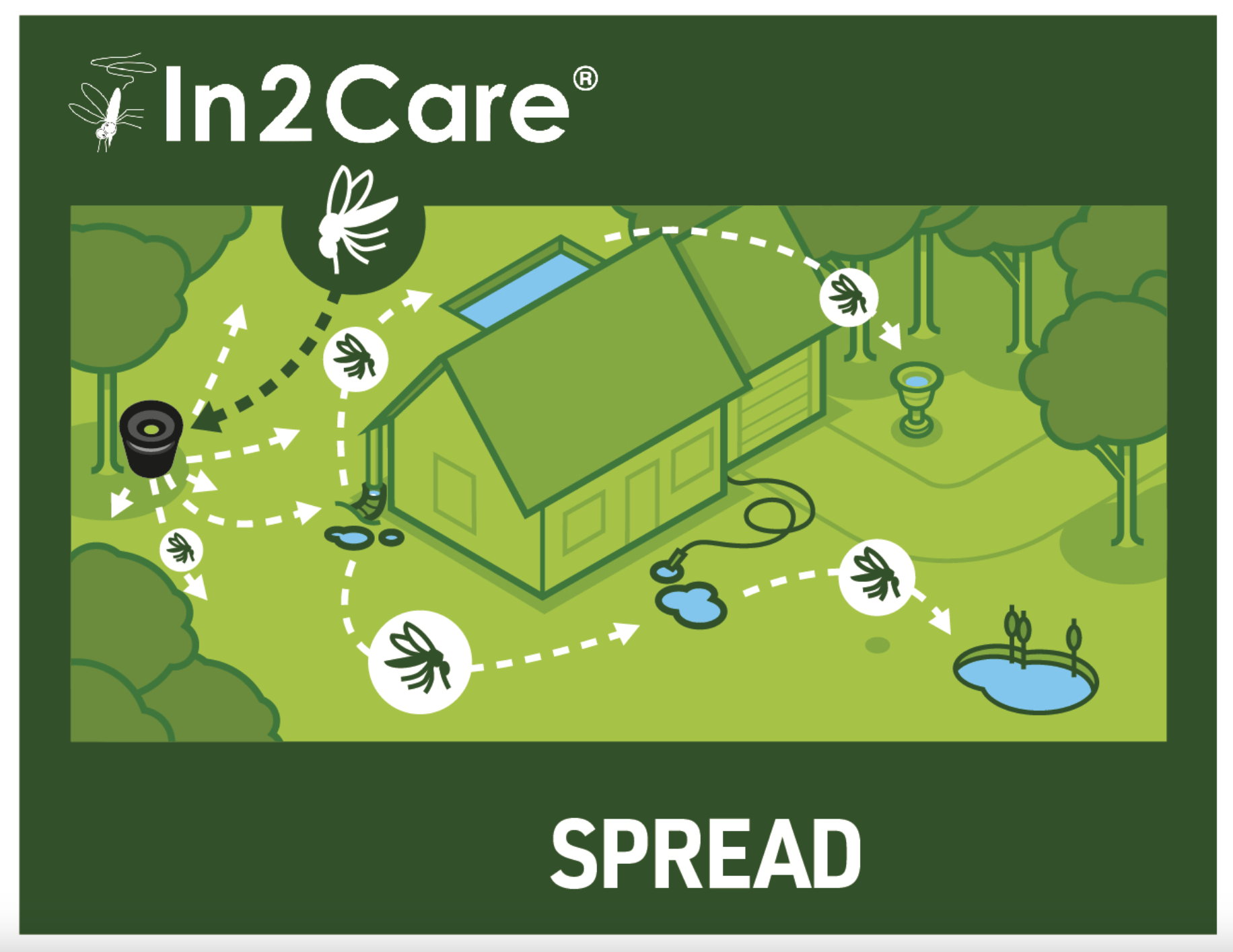
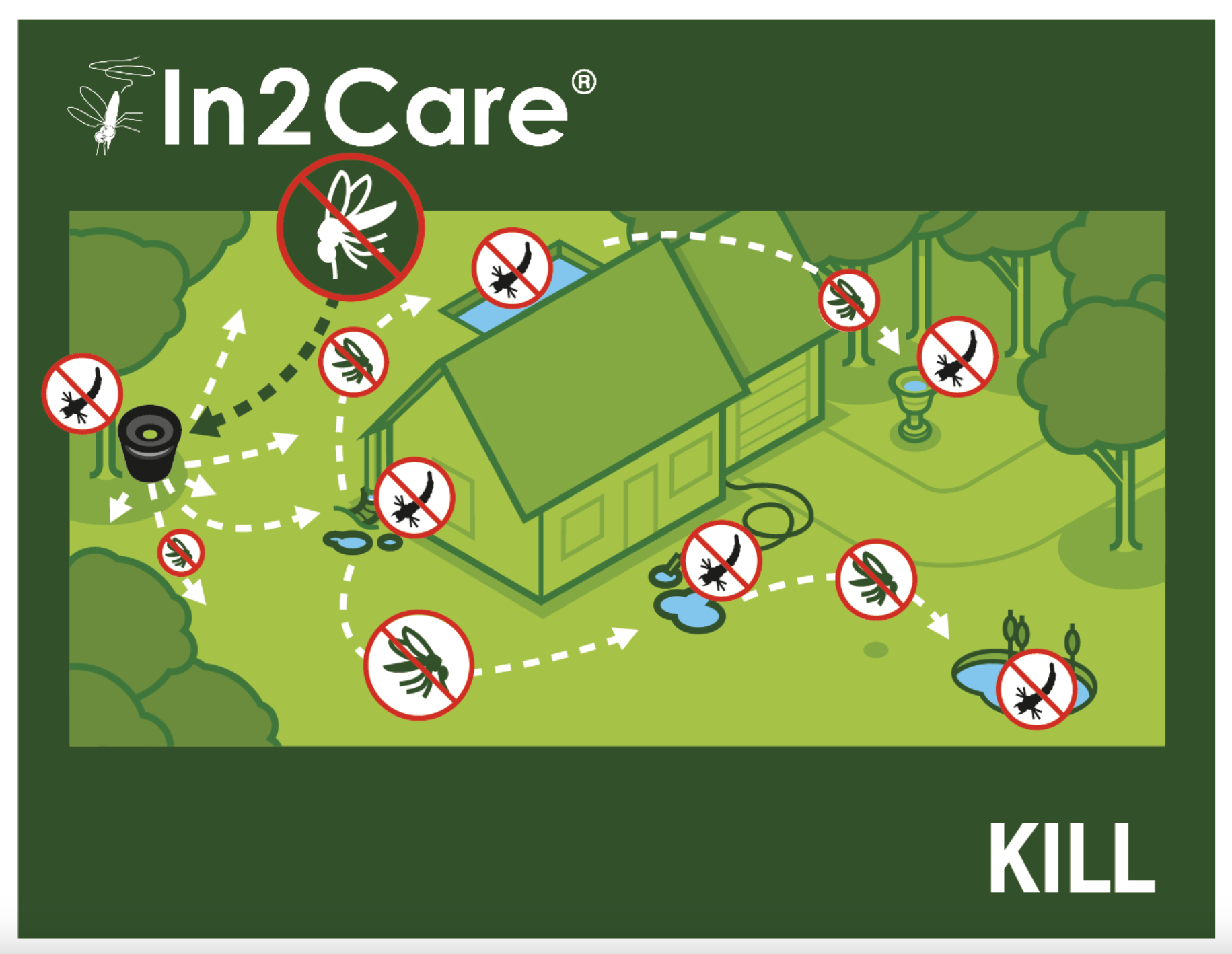
Home and business owners have many options for mosquito treatments but more often than not their target is anything and everything. These treatments also only target adult mosquitoes so the effects are short lived. But with In2Care system- mosquitoes alone are attracted and neutralized leaving the good bugs in your backyard to carry on with their day.
Reasons to choose the In2Care system:
Kills mosquitoes at all life stages (larvae, pupae and adult)
Pet Friendly
Environmentally Friendly
24/7 Protection
Key Takeaways
Mosquito season usually begins in spring, when warmer temperatures allow dormant eggs to hatch.
Activity peaks in late spring and summer, driven by warm weather, humidity, and rainfall.
Mosquito eggs can survive winter and hatch quickly once conditions improve.
Standing water and dense vegetation create ideal breeding environments.
Early preparation and professional mosquito control help prevent infestations before peak season.
The In2Care System works 24/7 and uses a mosquito's natural behavior to target and neutralize their population.
What Affects Mosquito Population?
Temperature
As cold-blooded insects, mosquitoes are highly dependent on external temperatures to regulate their activity. Warmer weather accelerates their metabolism, leading to increased flying, biting, and reproduction. In contrast, cooler temperatures slow them down, lengthening their life cycle and reducing their overall activity.
Temperatures below 50°F (10°C) significantly inhibit mosquito activity, although mosquito eggs remain resilient. These eggs can survive freezing temperatures for up to three years, lying dormant until conditions are warm enough to hatch.
Humidity
Mosquitoes thrive in environments that provide ample water, which plays a critical role in their life cycle. Common mosquito habitats include areas with trees, tall grasses, and dense brush, but water is the key element they need to reproduce.
Water serves as a nursery for mosquitoes, allowing them to lay eggs and support the growth of larvae and pupae. While it was once believed that mosquitoes only laid eggs in stagnant or slow-moving water, research has revealed that different mosquito species can adapt to a variety of water conditions.
Rainfall also plays a critical role, standing water left behind by rainstorms serves as ideal mosquito breeding grounds. For this reason, areas with frequent rainfall see mosquitoes emerge sooner and in greater numbers.
Signs That Mosquito Season Has Begun
Although mosquitoes seem to vanish during the colder months, some manage to survive the winter through a process known as overwintering. Female mosquitoes prepare for the colder season by laying eggs that remain dormant throughout the winter. Once temperatures warm up, these resilient eggs hatch, allowing the mosquito population to thrive again.
Wondering if the season has started in your area? Look out for these signs:
Increased mosquito bites, especially during dawn and dusk.
Mosquitoes swarming near standing water, such as puddles, birdbaths, or clogged gutters.
A sudden surge in itchy, red welts after spending time outdoors.
How to Prepare for a Bite-Free Season
Early preparation at the first sign of activity can save you from an infestation later in the season.
Conducting a Pre-Season Yard Check
Preparation begins with inspecting your yard for potential mosquito breeding sites:
Eliminate Standing Water. Empty birdbaths, clean clogged gutters, and ensure proper drainage around your property.
Trim Vegetation. Overgrown bushes and grass provide shade and shelter for mosquitoes. Regular maintenance reduces their hiding spots.
Repair Drainage Issues. Ensure your yard drains efficiently to prevent water from pooling after rain.
Why Choose Best4Pest for Mosquito Season Preparation?
Best4Pest is paving the way in mosquito control in DFW, offering innovative and environmentally responsible solutions. Our treatments are backed by science and tailored to your yard’s unique needs, ensuring maximum effectiveness. We provide mosquito control expertise you can trust.
We know no two properties are alike. That’s why we customize our services based on your yard’s size, landscaping, and mosquito presence. The In2Care System will protect your family/business behind the scenes and you carry on with life.
Being Prepared Means Avoiding Unnecessary Hassles
Preparing for mosquito season is the key to enjoying your outdoor spaces without the hassle of bites and potential health risks. By taking proactive steps — like inspecting your yard, implementing effective control methods, and partnering with Best4Pest— you can have the peace of mind that you and your family are protected from these dangerous pests.
While adult mosquitoes typically live only a few weeks, under ideal conditions, they can survive up to six months if they find a suitable habitat on your property. Waiting until peak season to address the mosquito problem can make it more difficult to reclaim your yard.
Don’t let mosquitoes take over your outdoor spaces. With Best4Pest professional mosquito control services, you can proactively target mosquitoes before their populations surge. Start early and enjoy a bite-free season!
Mosquito season waits for no one, but with Best4Pest, you don’t have to let it take over your outdoor spaces. Contact Best4Pest today: our expert team is here to provide customized, effective mosquito control solutions that fit your yard and lifestyle. Take the first step toward a mosquito-free yard — because you and your family deserve to enjoy the outdoors without the buzz or the bites!

Why Are Ants Coming Inside My House After Rain?
Rain often feels refreshing. The air smells cleaner, plants look healthier, and everything feels calm. Then you walk into the kitchen and see ants crawling along the countertops toward the sink.
Ants in the house after rain are one of the most common problems homeowners face, especially after the first heavy storm of the season. The situation feels frustrating because it happens so suddenly. One overnight storm can turn a home with no issues into a sudden ant problem.
Ants can show up overnight, even in clean homes with no visible problems. The good news is that ants follow predictable patterns after rain. When you understand why rain pushes ants indoors and what attracts them, you can take clear steps to get rid of ants, reduce repeat problems, and recognize when any control in North Texas makes sense.
Key Takeaways
Heavy rain forces ant colonies out of the ground and into homes
Small entry points and moisture issues invite ants inside
Different ant species react differently after storms
Consistent pest control works better than quick fixes
Common Types of Ants Homeowners See
Check out this Texas A&M article about common Texas ants and how to identify them.
Why Ants Come Inside After Heavy Rain
Ants that appear inside after rain usually come from outdoor nests. When heavy rain soaks the soil, it floods the underground tunnels where ant colonies live. The water ruins food supplies, raises moisture levels, and damages nesting areas. As a result, worker ants quickly search for higher, drier ground.
Homes become an easy place for ants to move into because they stay dry, offer warmth, and often contain easy food sources. Once a few worker ants enter, they leave scent trails that guide the rest of the colony to the same area.
Because worker ants follow scent trails into dry, food-rich spaces, ant activity often increases very quickly after rain, especially when homeowners think, ‘it’s raining, and ants are in the house again,’ even though the ants were already nearby.
Rainstorms do not cause new ants to appear. They simply force existing ants to relocate. Understanding this movement helps homeowners focus on prevention rather than reacting under stress.
Where Ants Enter the Home After Rain
When ants search for shelter, they enter through the smallest openings they can find. Common entry points include foundation cracks, gaps around doors, and damaged weatherstripping. Ants also use window sills, utility lines, and small gaps behind siding as easy entry paths.
Moisture strongly affects where ants enter the home. Crawl spaces, basements, and plumbing areas attract ants because water tends to linger after rain. Poor gutter drainage pushes water toward the house, increasing ant activity along the exterior walls.
Sealing cracks with caulk and replacing damaged weatherstripping helps block potential entry points that ants commonly use. These steps do not stop every ant, but they remove many easy paths ants rely on.
How Food and Moisture Attract Ants Indoors
Once ants get inside, they look for two things: water and food. Even small spills or crumbs can lead to an ant infestation if left alone. Ants search for food in sinks, pet bowls, trash areas, and countertops.
Storing food in airtight containers reduces the scent that ants can detect. It removes food smells that ants use to guide other workers. Wiping surfaces often and remembering to store food properly at night limits ant activity.
Moisture attracts ants just as much as food. Leaky faucets, condensation, and damp areas under sinks keep ants active even after the rain ends. Lowering indoor moisture removes one of the main reasons ants stay inside.
The Most Common Ant Species Seen After Rain
Ant species respond to rain in different ways, which makes correct identification important. Argentine ants are very common in North Texas and often appear in large numbers after rainstorms. They form large colonies and can quickly take over kitchens and bathrooms.
Odorous house ants also enter homes after rain and usually nest near moisture sources. Pavement ants move indoors when outdoor nests flood. Carpenter ants may indicate moisture problems within wood structures.
Fire ants, while less common indoors, can still move toward homes when outdoor conditions deteriorate. Because behavior varies, using an ant identification guide helps determine the right approach instead of guessing.
Why DIY Fixes Often Fail After Rain
Many homeowners use sprays or store-bought insecticides as soon as ants appear. These products may kill visible ants, but they rarely reach colonies outside or hidden in walls, leading to short-term relief followed by recurring ant problems.
Ant baits work better than sprays because worker ants carry bait back to the colony. Bait placement and timing still matter, especially during the rainy season when ants keep moving. Using bait the wrong way can push ants into new areas of the home.
When ants keep returning, and surface treatments fall short, professional pest control becomes helpful. A targeted approach focuses on entry points, nesting areas, and long-term ant control rather than quick surface results, helping us help you successfully control ants over time.
Preventive Measures That Help Year-Round
Preventive steps work best when homeowners use them before and after storms. Keeping gutters clear, moving water away from the foundation, and removing standing water around the yard reduces ant pressure on the home.
Inside the home, regular cleaning, sealing gaps, and fixing moisture issues make the space less appealing to ants and other unwanted guests. These steps help protect homes during rainstorms and throughout the year.
Many homeowners in North Texas use pest control services for steady ant protection. Ongoing treatments adjust to weather changes and shifting ant behavior, especially during the rainy season.
When It Is Time to Call for Professional Help
If ants return after every rain or spread into several rooms, the colony likely remains active nearby. Persistent ant trails, repeat invasions, or signs of carpenter ants signal the need for professional help.
At Best4Pest, we understand how local weather patterns affect ant activity. With decades of experience and a science-based approach, our team focuses on long-term ant control instead of short-term fixes. For homeowners in Tarrant County and across North Texas, consistent ant control service makes a clear difference.
Making the Right Choice for Long-Term Ant Control
Ant problems after rain often return because the source stays active nearby. When the same issue shows up after each storm, it is a sign that surface fixes are not enough. A long-term solution focuses on stopping repeat activity, not just clearing what you see.
At Best4Pest, we provide treatment plans designed to address recurring ant problems and changing weather conditions, so ants stay outside instead of coming back after every rain.
Contact us today to get help with ongoing ant control and stop the cycle for good.
FAQs
Why do ants show up immediately after rain?
Heavy rain floods underground nests and forces ants to search for higher, drier ground. Homes offer shelter, warmth, and easy access to food and water.
Are ants after rain a sign of a dirty home?
No. Ants enter clean homes just as often as dirty ones. Moisture, entry points, and outdoor conditions matter more than cleanliness alone.
How can I get rid of ants without them coming back?
Long-term ant control requires sealing entry points, reducing moisture, removing food access, and using targeted treatments that reach the colony, not just visible ants.
Ant Control Ant Elimination Ant Extermination Ant Prevention Ant Removal