Ant vs. Termite: How to Tell the Difference
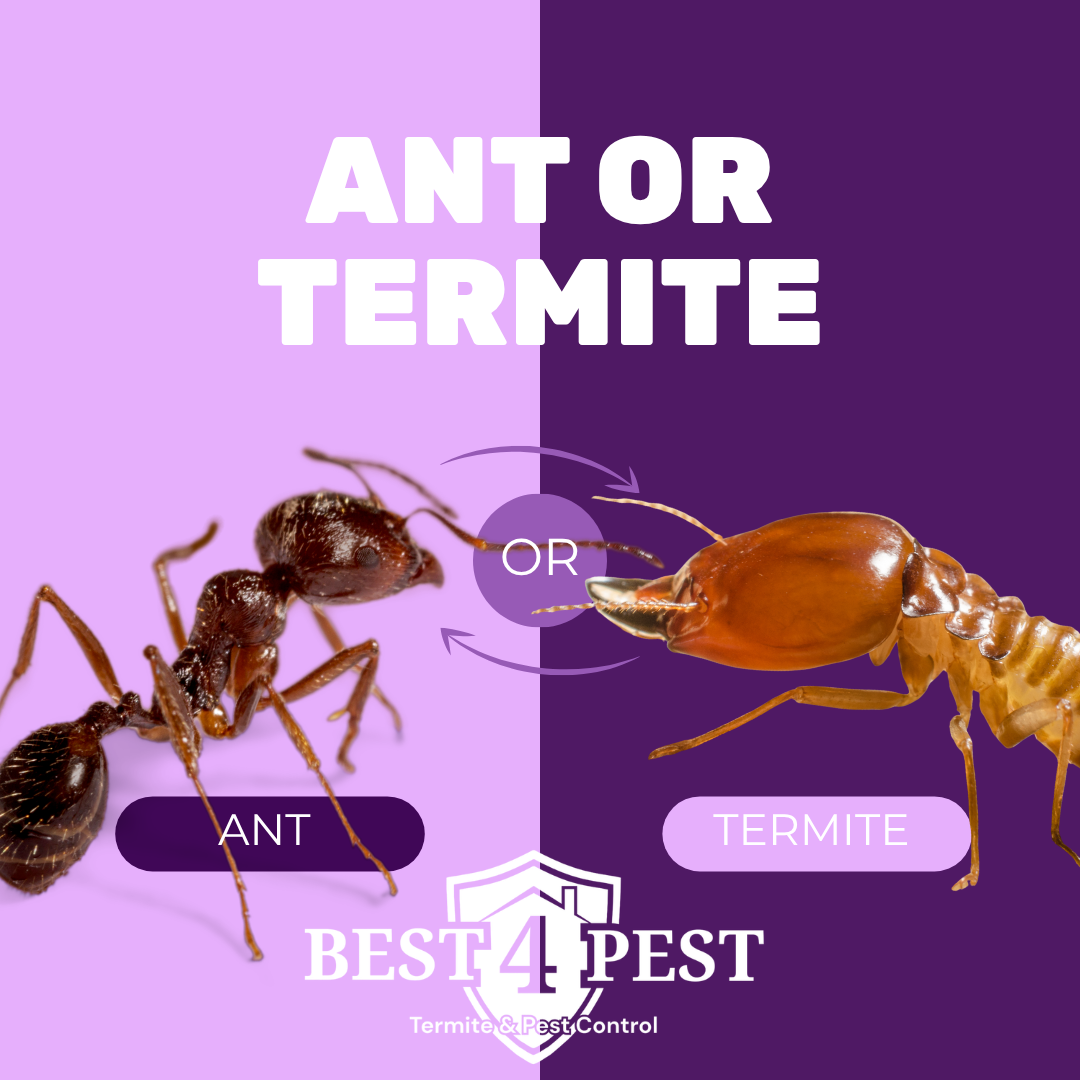
Distinguishing a termite from an ant (often confused during swarming season) comes down to a few key physical features: antennae, body shape, and wings
Ants: Have pinched, hourglass-shaped waists, elbowed (bent) antennae, and forewings that are noticeably longer than their hindwings.
Termites: Have straight, uniform bodies, straight (beaded) antennae, and four wings of equal length.
Check out our blog for more information!
You see a swarm of winged insects crawling out of your lawn or gathering around the window and you immediately ask: Are those ants… or termites?
These two pests are often confused, and telling them apart at a glance isn’t always easy.
But knowing the difference matters: ants are mostly a nuisance, while termites can quietly chew through your home’s structure.
Let’s break down the key differences so you can spot who’s who before they cause trouble.
Why People Confuse Them
Ants and termites get mistaken for each other all the time, especially in spring and summer. In North Texas, the confusion is amplified by fear.
Carpenter ants are far more likely culprits, but because the two pests are so often linked with wood damage, many homeowners assume the worst.
Swarmers look similar. Both ants and termites have winged reproductive forms (called swarmers) that emerge in large numbers to mate and start new colonies. These winged insects are the ones you’ll most often see flying around windows, doors, or porch lights, and at a glance, they look nearly identical.
Both love wood. While ants don’t actually eat wood, carpenter ants hollow it out to make nests. Termites, on the other hand, feed directly on cellulose. To a worried homeowner, seeing insects in or near wood is enough to trigger the T-word.
They both show up close to home. Ants trail through cracks in the foundation or gaps in siding; termites swarm indoors or build mud tubes near window sills and walls. Either way, the insects appear exactly where you don’t want them.
Ant vs. Termite: Physical Appearance
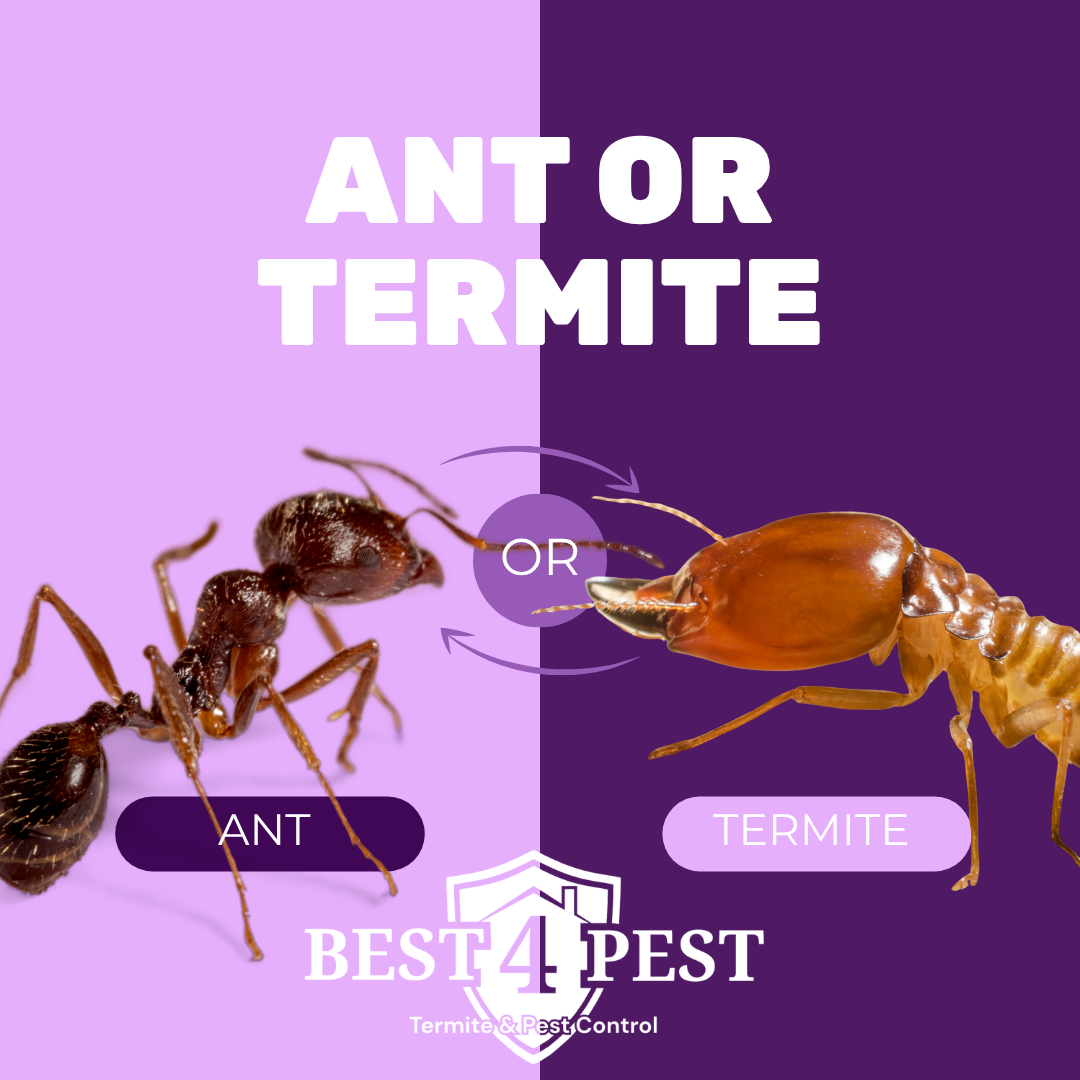
You can refer to the difference chart and image above, but here’s a more detailed version:
Waist shape: Ants have a narrow, pinched “hourglass” waist. Termites, in contrast, have a broad, straight waist that looks more uniform.
Antennae: Ant antennae are bent or elbowed; termites’ antennae are straight and bead-like.
Wings: Ant wings are uneven. The front pair is longer than the back pair. Termite wings are all the same length and often fall off easily, which is why piles of discarded wings near windows or doors are a classic sign of termites.
Colour: Ants are typically dark brown, black, or reddish. Termites are lighter, pale and creamy, or light brown, since they avoid light and prefer hidden environments.
Size: Termites tend to look thicker and more uniform; ants appear segmented and defined.
Pro tip: If you’re not sure what you’re looking at, snap a photo with your phone and zoom in. The waist and antennae alone usually give away whether you’ve got ants or termites.
Behaviour & Habitat
Not sure from their physical appearance? Watch what they do.
Ants are bold. They build visible mounds in the soil, create long foraging trails, and happily invade your kitchen in search of sweets and proteins. Carpenter ants target damp or rotting wood, hollowing it out for nesting space. They don’t eat the wood, but they can still cause damage.
Termites are stealthy. They stay hidden in soil, wood, or behind walls. Instead of trails, they build mud tubes to stay moist while moving between soil and food sources. They don’t come looking for crumbs or sugar. They’re after cellulose, which means wood, cardboard, and paper.
In short, ants announce themselves, while termites hide their activity until the damage is already serious.
Ant Nests vs. Termite Colonies
Ants and termites are both social insects, but their nesting habits are worlds apart.
Ant nests: Often visible as soil mounds (ant hills) or small entry holes in the lawn. Colonies range in size but are generally smaller and more scattered. Ants are also mobile, and they’ll relocate if disturbed or threatened.
Termite colonies: Hidden underground or inside wood. Colonies are massive, often numbering in the hundreds of thousands. Termites work 24/7, silently tunnelling and feeding. They won’t abandon their colony unless absolutely forced.
Damage Comparison: What’s at Stake
The damage each pest causes is where the difference really hits home.
Ants: Most species are nuisance pests. They contaminate food, invade kitchens, and build unsightly mounds in the yard. Carpenter ants are the exception since they tunnel into damp or decaying wood to build nests, which weakens the structure over time. Still, they don’t eat wood, so their destruction is slower and less severe than that of termites.
Termites: Termites are silent destroyers. They eat cellulose, which means they’ll chew through structural beams, flooring, drywall, furniture, and more. Their feeding can continue unnoticed for months or even years. By the time you see signs, the damage is already extensive. Keep your eyes and ears open for hollow-sounding wood, bubbling paint, sagging floors, or discarded wings.
How Do You Get Rid of Ants and Termites Before They Take Over
Treatment and prevention go hand in hand. As a general rule of thumb: reduce moisture across the yard, keep your lawn trimmed and debris-free, and inspect for swarms in spring.
Catching pests early is good, but keeping them from settling in at all is better.
For ants:
Keep food sealed and clean up spills quickly
Take garbage out regularly and keep bins tightly closed
Trim back vegetation touching the house; ants use branches as highways
Seal cracks in foundations, windows, and doors
Outdoor colonies can often be controlled with targeted baits or perimeter treatments
For termites:
First and foremost, schedule inspections and termite control; termites are nearly impossible to detect without a trained eye. DIY sprays don’t reach hidden colonies.
Keep wood and soil separate. Don’t let deck posts, siding, or firewood sit directly on the ground.
Fix leaks and drainage problems. Moisture draws termites.
Maintain gutters and downspouts to keep water away from the foundation.
Store firewood well away from the house.
Pest Control You Can Count On…
Ants and termites may look alike at first glance, but they couldn’t be more different in what they mean for your home. Ants are messy invaders, while termites are destructive freeloaders. Knowing the difference helps you act quickly and protect your biggest investment.
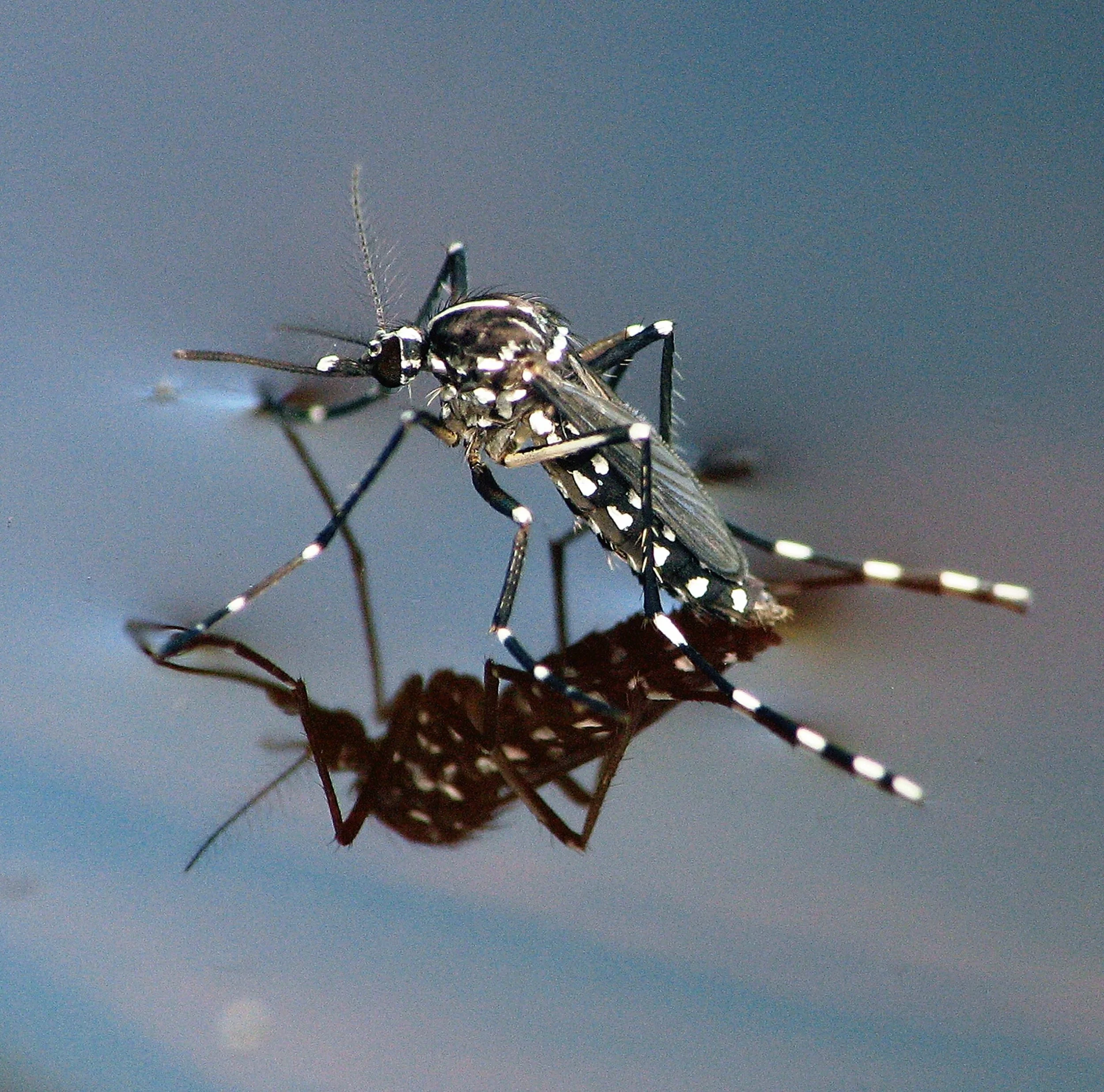
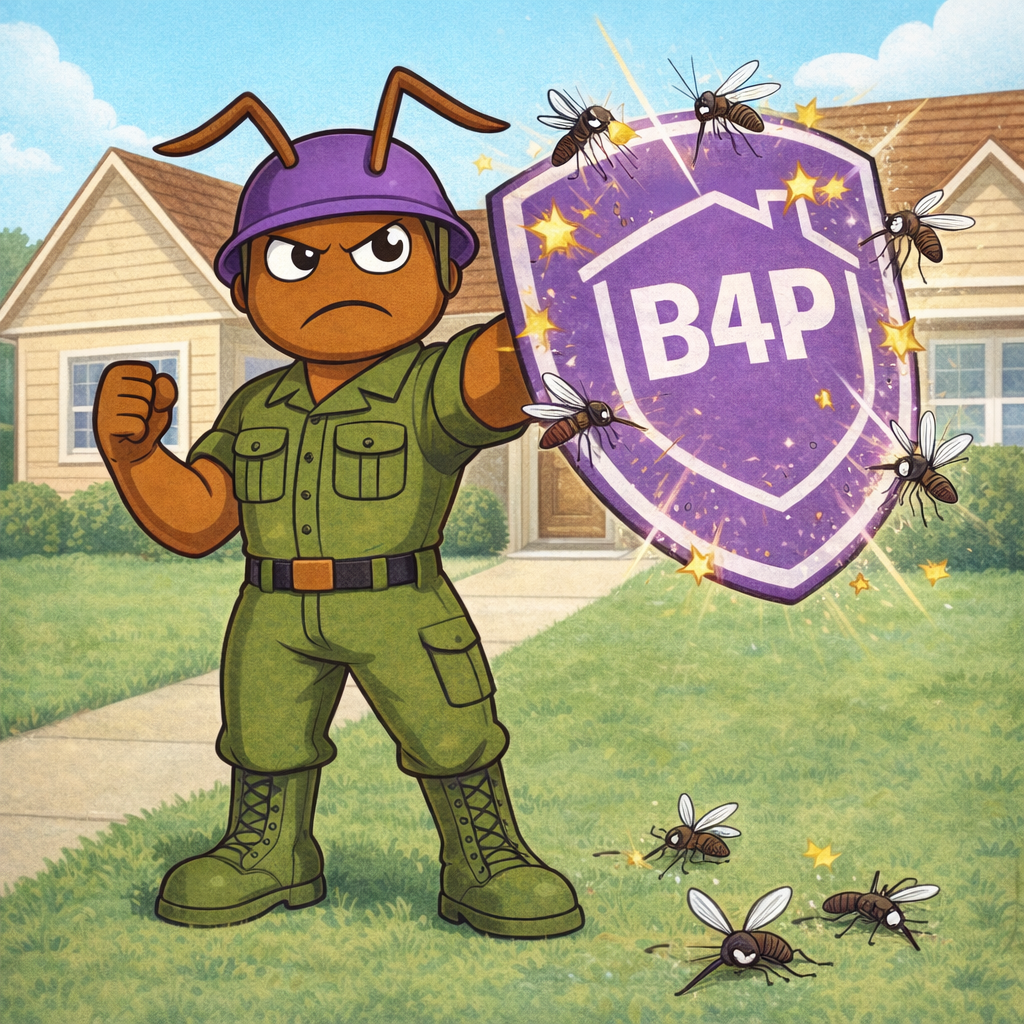
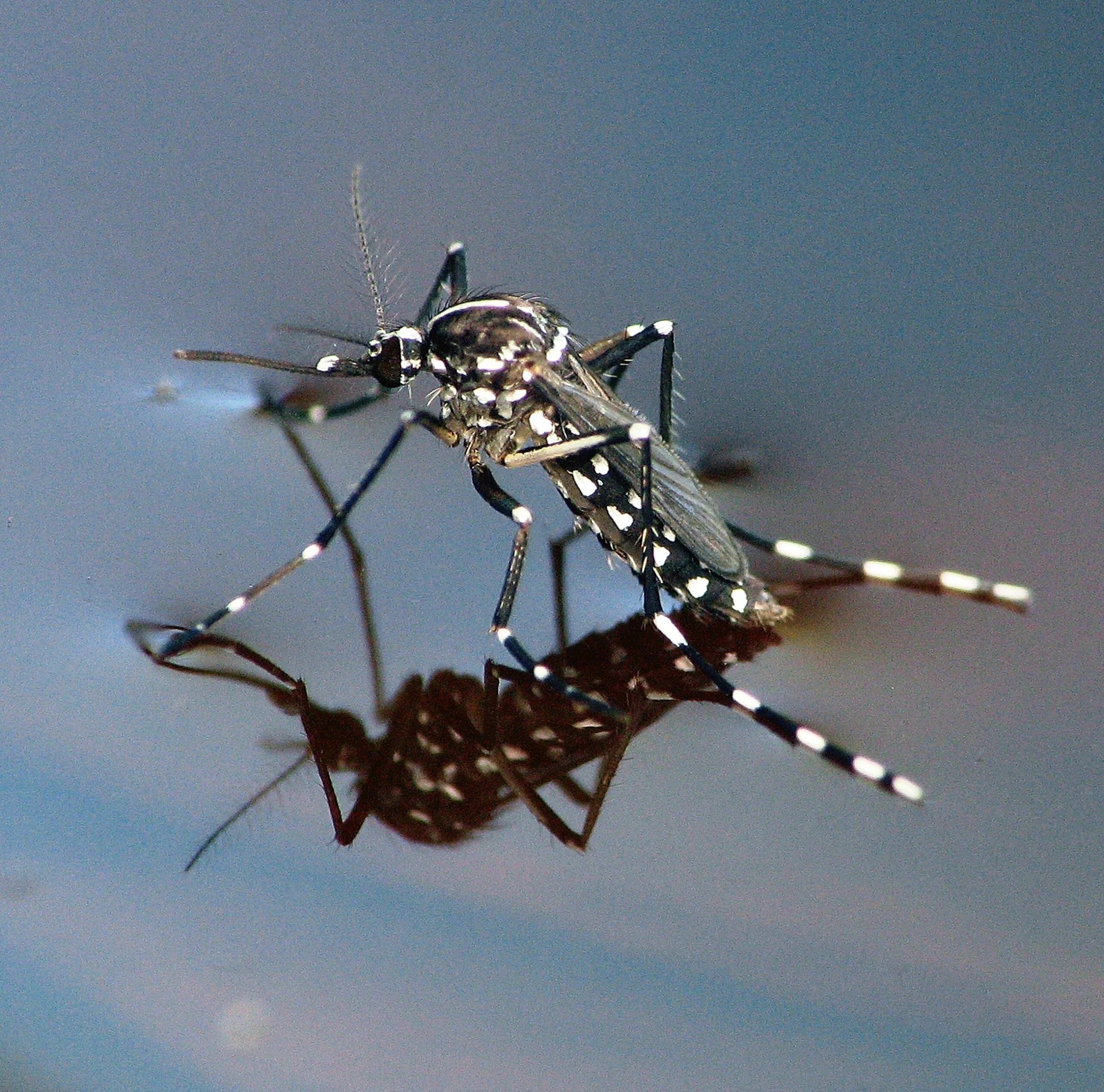
Mosquitoes Suck… the life out of your family.
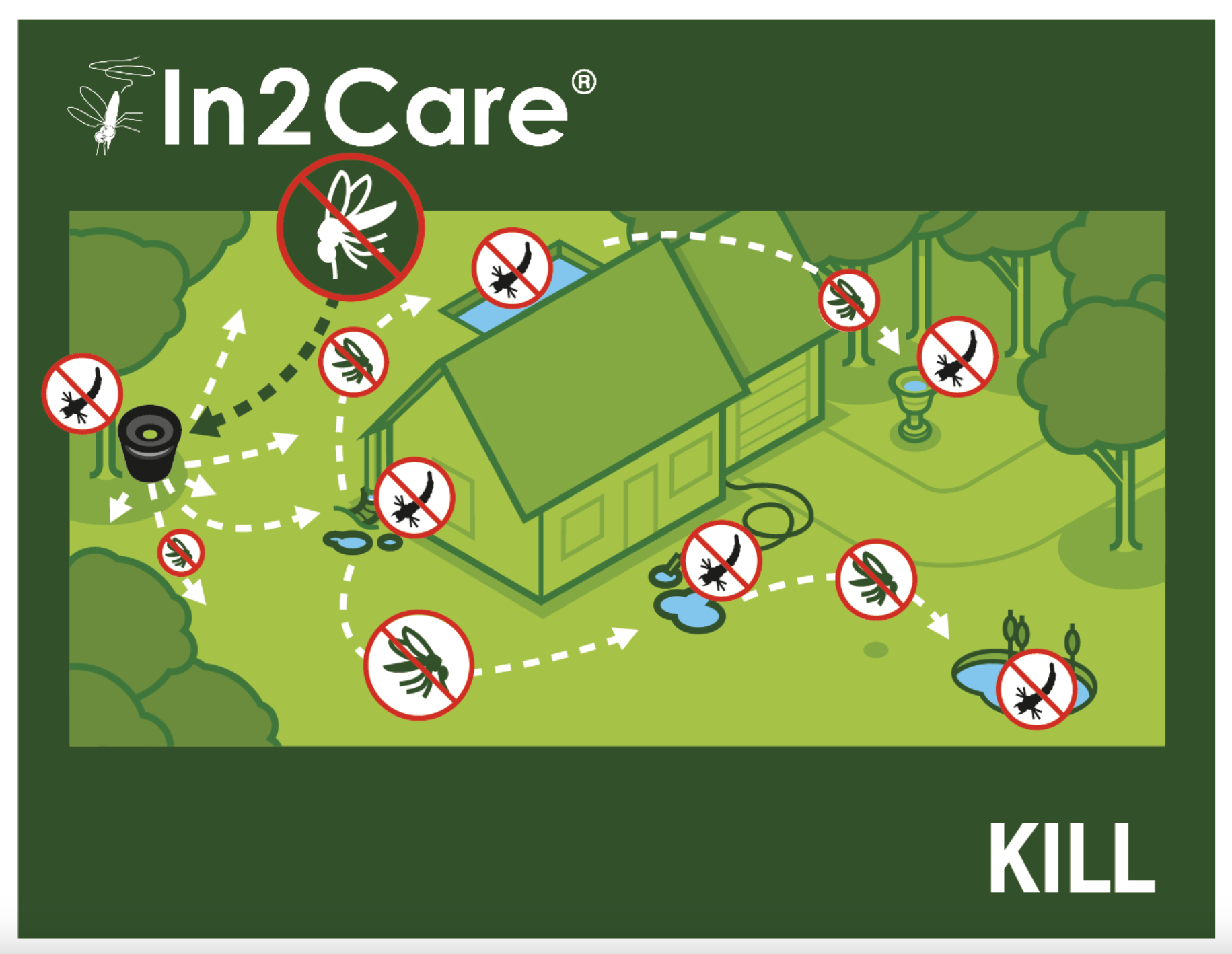
Mosquito Borne Illnesses are no joke and they can be scary if youre not prepared! The CDC reports that only some types of mosquitoes can spread germs (viruses and parasites) to people and animals. In the United States, the most common types of mosquitoes that can spread germs include: Aedes species mosquitoes, Culex species mosquitoes, & Anopheles species mosquitoes and that West Nile is one of the most common mosquito-borne diseases in the continental United States. Best4Pest's In2Care bucket system targets and kills Aedes and Clux mosquitoes as well as other nuisance mosquito species.
When it comes to living comfortably in your own backyard, mosquitoes are often one of the first issues that come to mind. Nobody wants to entertain friends and watch them get eaten alive by the most annoying creatures on the planet!
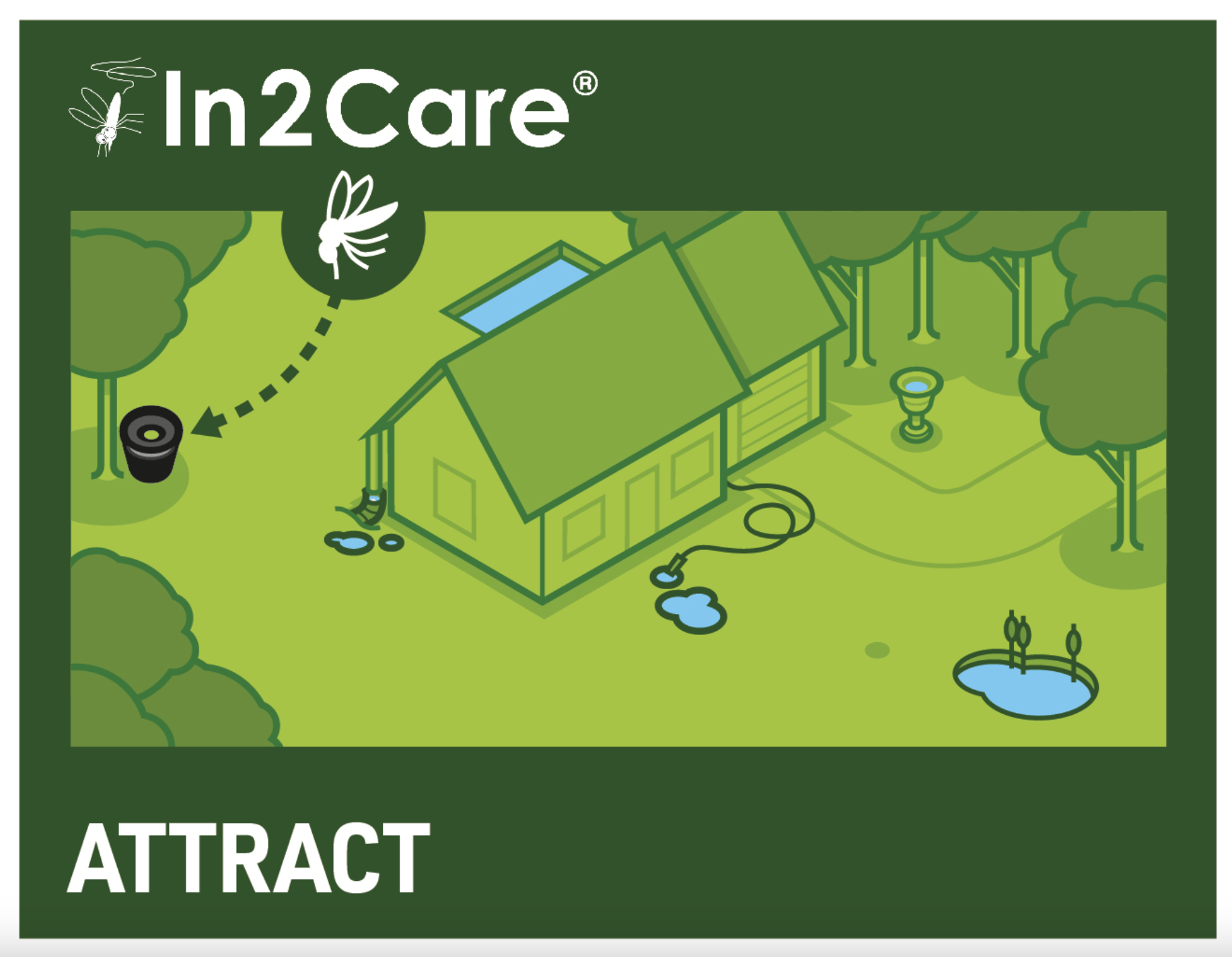
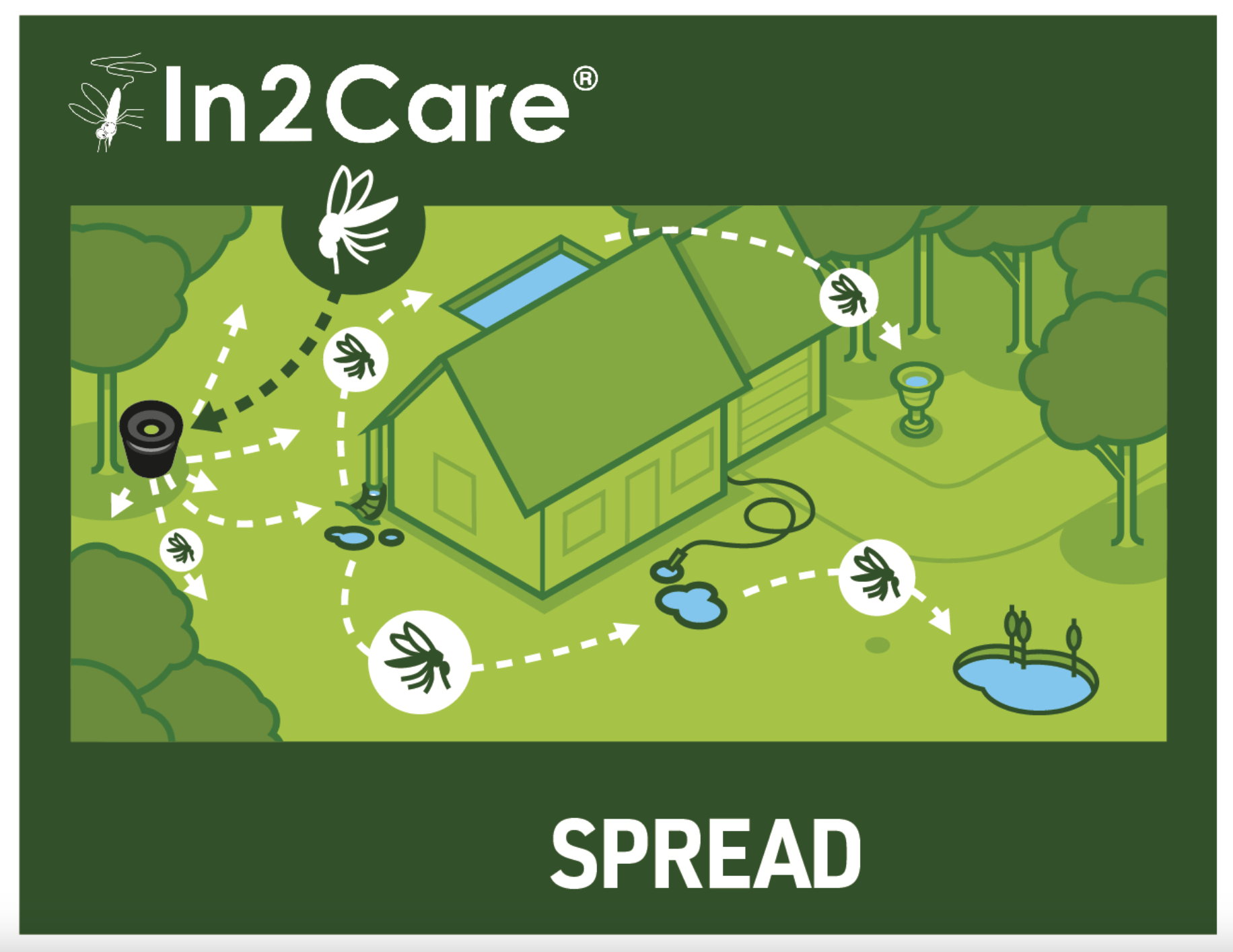
Home and business owners have many options for mosquito treatments but more often than not their target is anything and everything. These treatments also only target adult mosquitoes so the effects are short lived. But with In2Care system- mosquitoes alone are attracted and neutralized leaving the good bugs in your backyard to carry on with their day.
Reasons to choose the In2Care system:
Kills mosquitoes at all life stages (larvae, pupae and adult)
Pet Friendly
Environmentally Friendly
24/7 Protection
Key Takeaways
Mosquito season usually begins in spring, when warmer temperatures allow dormant eggs to hatch.
Activity peaks in late spring and summer, driven by warm weather, humidity, and rainfall.
Mosquito eggs can survive winter and hatch quickly once conditions improve.
Standing water and dense vegetation create ideal breeding environments.
Early preparation and professional mosquito control help prevent infestations before peak season.
The In2Care System works 24/7 and uses a mosquito's natural behavior to target and neutralize their population.
What Affects Mosquito Population?
Temperature
As cold-blooded insects, mosquitoes are highly dependent on external temperatures to regulate their activity. Warmer weather accelerates their metabolism, leading to increased flying, biting, and reproduction. In contrast, cooler temperatures slow them down, lengthening their life cycle and reducing their overall activity.
Temperatures below 50°F (10°C) significantly inhibit mosquito activity, although mosquito eggs remain resilient. These eggs can survive freezing temperatures for up to three years, lying dormant until conditions are warm enough to hatch.
Humidity
Mosquitoes thrive in environments that provide ample water, which plays a critical role in their life cycle. Common mosquito habitats include areas with trees, tall grasses, and dense brush, but water is the key element they need to reproduce.
Water serves as a nursery for mosquitoes, allowing them to lay eggs and support the growth of larvae and pupae. While it was once believed that mosquitoes only laid eggs in stagnant or slow-moving water, research has revealed that different mosquito species can adapt to a variety of water conditions.
Rainfall also plays a critical role, standing water left behind by rainstorms serves as ideal mosquito breeding grounds. For this reason, areas with frequent rainfall see mosquitoes emerge sooner and in greater numbers.
Signs That Mosquito Season Has Begun
Although mosquitoes seem to vanish during the colder months, some manage to survive the winter through a process known as overwintering. Female mosquitoes prepare for the colder season by laying eggs that remain dormant throughout the winter. Once temperatures warm up, these resilient eggs hatch, allowing the mosquito population to thrive again.
Wondering if the season has started in your area? Look out for these signs:
Increased mosquito bites, especially during dawn and dusk.
Mosquitoes swarming near standing water, such as puddles, birdbaths, or clogged gutters.
A sudden surge in itchy, red welts after spending time outdoors.
How to Prepare for a Bite-Free Season
Early preparation at the first sign of activity can save you from an infestation later in the season.
Conducting a Pre-Season Yard Check
Preparation begins with inspecting your yard for potential mosquito breeding sites:
Eliminate Standing Water. Empty birdbaths, clean clogged gutters, and ensure proper drainage around your property.
Trim Vegetation. Overgrown bushes and grass provide shade and shelter for mosquitoes. Regular maintenance reduces their hiding spots.
Repair Drainage Issues. Ensure your yard drains efficiently to prevent water from pooling after rain.
Why Choose Best4Pest for Mosquito Season Preparation?
Best4Pest is paving the way in mosquito control in DFW, offering innovative and environmentally responsible solutions. Our treatments are backed by science and tailored to your yard’s unique needs, ensuring maximum effectiveness. We provide mosquito control expertise you can trust.
We know no two properties are alike. That’s why we customize our services based on your yard’s size, landscaping, and mosquito presence. The In2Care System will protect your family/business behind the scenes and you carry on with life.
Being Prepared Means Avoiding Unnecessary Hassles
Preparing for mosquito season is the key to enjoying your outdoor spaces without the hassle of bites and potential health risks. By taking proactive steps — like inspecting your yard, implementing effective control methods, and partnering with Best4Pest— you can have the peace of mind that you and your family are protected from these dangerous pests.
While adult mosquitoes typically live only a few weeks, under ideal conditions, they can survive up to six months if they find a suitable habitat on your property. Waiting until peak season to address the mosquito problem can make it more difficult to reclaim your yard.
Don’t let mosquitoes take over your outdoor spaces. With Best4Pest professional mosquito control services, you can proactively target mosquitoes before their populations surge. Start early and enjoy a bite-free season!
Mosquito season waits for no one, but with Best4Pest, you don’t have to let it take over your outdoor spaces. Contact Best4Pest today: our expert team is here to provide customized, effective mosquito control solutions that fit your yard and lifestyle. Take the first step toward a mosquito-free yard — because you and your family deserve to enjoy the outdoors without the buzz or the bites!